Yearly Home Maintenance Checklist: Essential Tasks for Every Season
Key Takeaways
- Follow a seasonal maintenance schedule to identify problems before they become expensive repairs.
- Inspect roofing, gutters, drainage, plumbing, and exterior areas regularly, especially after severe weather.
- Prepare heating and cooling systems before their peak-use seasons and address warning signs promptly.
- Check insulation, weather sealing, windows, and doors to improve indoor comfort and efficiency.
- Protect plumbing, foundations, basements, and water heaters through regular inspections and timely repairs.
- Keep smoke and carbon monoxide detectors operational and address potential safety concerns promptly.
- Maintain service records and budget for future repairs to make long-term home care easier to manage.
Keeping a home in good condition requires more than fixing problems when they appear. A structured yearly maintenance routine helps homeowners identify small issues before they become expensive repairs, preserve the performance of major systems, and maintain a comfortable living environment throughout the year. Different seasons create different demands on heating, cooling, plumbing, drainage, roofing, and exterior areas, so timing matters. A spring inspection can uncover problems left behind by winter, while summer preparation focuses heavily on cooling and outdoor systems. Fall is the time to prepare for colder weather, and winter calls for protecting vulnerable systems from freezing temperatures and heavy use. This yearly home maintenance checklist breaks those responsibilities into manageable seasonal tasks.
Why Should You Follow a Yearly Home Maintenance Schedule?
A home contains numerous interconnected systems, and each one experiences different levels of stress throughout the year. Heating equipment may operate continuously during cold weather, while air conditioning systems face their greatest workload during summer. Gutters, drainage systems, plumbing, roofing, insulation, and exterior surfaces are also exposed to changing weather conditions. Without regular attention, minor problems can gradually develop into failures that are more expensive and disruptive to resolve.
A yearly schedule makes maintenance easier because homeowners do not have to remember every task at once. Instead, responsibilities can be divided according to the season in which they are most useful. This approach also creates opportunities to inspect equipment before periods of heavy use.
Regular maintenance can help homeowners:
- Identify problems early: Small leaks, unusual noises, damaged seals, and reduced system performance can provide early warnings.
- Reduce unexpected expenses: Addressing minor problems before they worsen may prevent larger repair bills.
- Improve efficiency: Clean filters, properly sealed windows, maintained equipment, and adequate insulation can reduce unnecessary system strain.
- Extend equipment life: Heating, cooling, plumbing, and water-heating equipment can benefit from consistent inspections and servicing.
- Improve household safety: Smoke detectors, carbon monoxide detectors, electrical components, and heating systems deserve regular attention.
Keeping records of inspections, repairs, replacements, and service dates is also useful. A simple spreadsheet, notebook, or digital folder can help homeowners determine when equipment was last serviced and identify recurring issues.
What Should You Check Around Your Home in Spring?
Spring is an ideal time to assess the condition of the property after winter. Cold temperatures, wind, rain, and snow can place considerable stress on roofing, gutters, drainage systems, exterior surfaces, and mechanical equipment. Even homes that experienced no obvious winter emergency may have developed small problems that become more noticeable as temperatures rise.
A thorough spring inspection gives homeowners an opportunity to address winter-related damage before summer arrives. It is also a useful time to prepare cooling equipment, outdoor spaces, plumbing systems, and drainage areas for increased use. Starting with the exterior and then moving indoors can make the inspection more systematic.
Inspect the Roof and Exterior

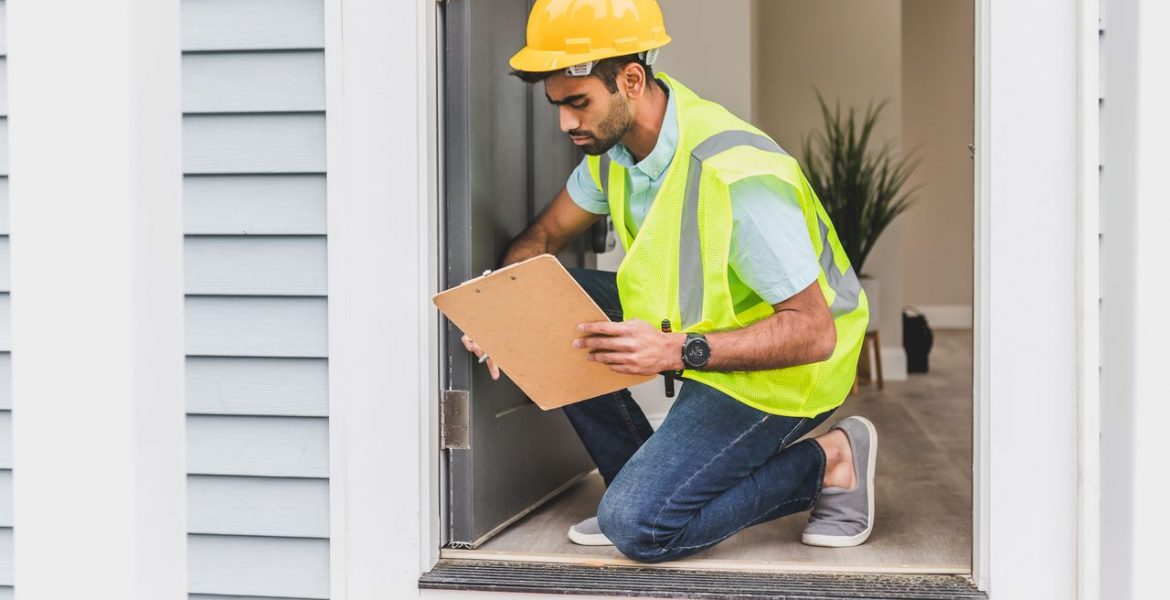
Walk around the property and look for visible signs of damage. From ground level, homeowners can inspect roofing surfaces, gutters, siding, trim, windows, doors, and exterior structures.
Look for:
- Missing, cracked, or damaged roofing materials
- Loose flashing around roof openings
- Damaged gutters or downspouts
- Peeling paint or deteriorated exterior surfaces
- Cracks around windows and doors
- Water stains or signs of moisture intrusion
- Damaged caulking around exterior openings
Roof work can involve significant safety risks, so homeowners should avoid climbing onto roofs when they are wet, steep, or otherwise unsafe. A qualified professional can perform a closer inspection when necessary.
Clean Gutters and Downspouts
Winter debris and early spring storms can leave gutters clogged with leaves, twigs, dirt, and other material. Blocked gutters prevent water from flowing away from the roof and foundation properly.
Make sure downspouts direct water several feet away from the foundation where practical. Water collecting near the foundation can contribute to moisture problems and drainage issues.
Prepare the Cooling System
Before temperatures become consistently warm, check the air conditioning system. Replace or clean filters according to the equipment manufacturer’s recommendations and make sure outdoor components are free from leaves, vegetation, and other debris.
If the system performed poorly during the previous summer, spring is a convenient time to schedule professional service before demand increases.
Check Plumbing After Winter
Inspect exposed pipes, faucets, and plumbing connections for leaks or signs of damage. Pay particular attention to areas that may have been exposed to freezing temperatures.
Also check water pressure, slow drains, toilets, and water heater performance. Addressing unusual changes early can prevent a small plumbing concern from becoming a larger water-damage problem.
How Can You Prepare Your Home for Summer?
Summer maintenance focuses heavily on cooling, ventilation, water management, and exterior conditions. As temperatures rise, air conditioning systems work harder and may operate for extended periods. Outdoor spaces also experience increased use, while storms and heavy rainfall can place additional pressure on drainage systems.
Preparing these areas before the hottest part of summer can improve comfort and give homeowners time to address problems before equipment is under maximum demand. Summer is also a useful period for checking areas of the property that may have been overlooked during colder months.
Maintain Air Conditioning Equipment
A properly maintained cooling system can operate more reliably during periods of heavy use. Filters should be checked regularly, while outdoor condenser units should remain clear of grass, leaves, and other obstructions.
Homeowners should pay attention to warning signs such as:
- Weak airflow from vents
- Warm air when the system is operating
- Unusual grinding, rattling, or buzzing sounds
- Unexplained increases in electricity consumption
- Excessive indoor humidity
- Frequent cycling
Some maintenance tasks require professional HVAC expertise. Refrigerant handling, electrical repairs, and mechanical problems should be addressed by appropriately qualified technicians.
Inspect Windows and Doors

Check window and door seals for gaps that allow conditioned air to escape. Damaged weatherstripping or deteriorated caulking can make it harder for the cooling system to maintain comfortable indoor temperatures.
Curtains, blinds, and other window coverings can also help reduce direct solar heat entering the home during the hottest parts of the day.
Check Outdoor Drainage
Summer storms can produce large amounts of rainfall in a short period. Make sure gutters, downspouts, drains, and other water-management areas remain clear.
Observe how water moves away from the property during or after heavy rain. Persistent pooling near foundations, walkways, or other structures may indicate a drainage problem that requires further investigation.
Inspect Outdoor Plumbing
Outdoor faucets and irrigation components should be checked for leaks. A damaged hose connection or underground irrigation problem can waste water and potentially create moisture issues around the property.
What Fall Maintenance Tasks Should You Complete Before Cold Weather?
Fall is the transition period between the heavy cooling demands of summer and the heating demands of winter. It is therefore one of the most important times to prepare major home systems. Heating equipment should be inspected before temperatures become consistently cold, while gutters, insulation, windows, doors, and drainage systems should also receive attention.
A thorough autumn inspection can help homeowners discover problems while contractors may still have more flexible scheduling than during the busiest part of winter. It is also a good opportunity to review safety equipment and complete outdoor maintenance before severe weather arrives.
Have the Heating System Inspected
Heating equipment should be checked before it becomes a daily necessity. A professional inspection can identify issues involving burners, heat exchangers, ignition components, electrical connections, airflow, and thermostat operation.
A homeowner’s maintenance checklist may include:
- Replacing or checking the furnace filter
- Inspecting vents and registers
- Checking thermostat operation
- Keeping the area around heating equipment clear
- Testing carbon monoxide detectors
- Scheduling professional heating service when needed
Homeowners should take unusual noises, repeated cycling, uneven heating, unusual odors, or unexplained increases in heating costs seriously.
Complete Your Fall HVAC Maintenance
Fall HVAC maintenance should include more than simply turning on the furnace for the first time. Homeowners can use this period to review the entire heating and cooling system, address outstanding repairs, and make sure equipment is ready for the next season.
If an air conditioner has developed problems during summer, fall can be a convenient time to have those issues evaluated before the system sits unused for several months. Filters, outdoor equipment, thermostats, and accessible components can also be checked.
Clean Gutters Before Winter
Falling leaves can quickly clog gutters and downspouts. Cleaning them before winter helps water flow away from the roof and reduces the likelihood of drainage problems.
After most leaves have fallen, homeowners may want to perform another inspection to make sure gutters remain clear.
Check Insulation and Weather Sealing
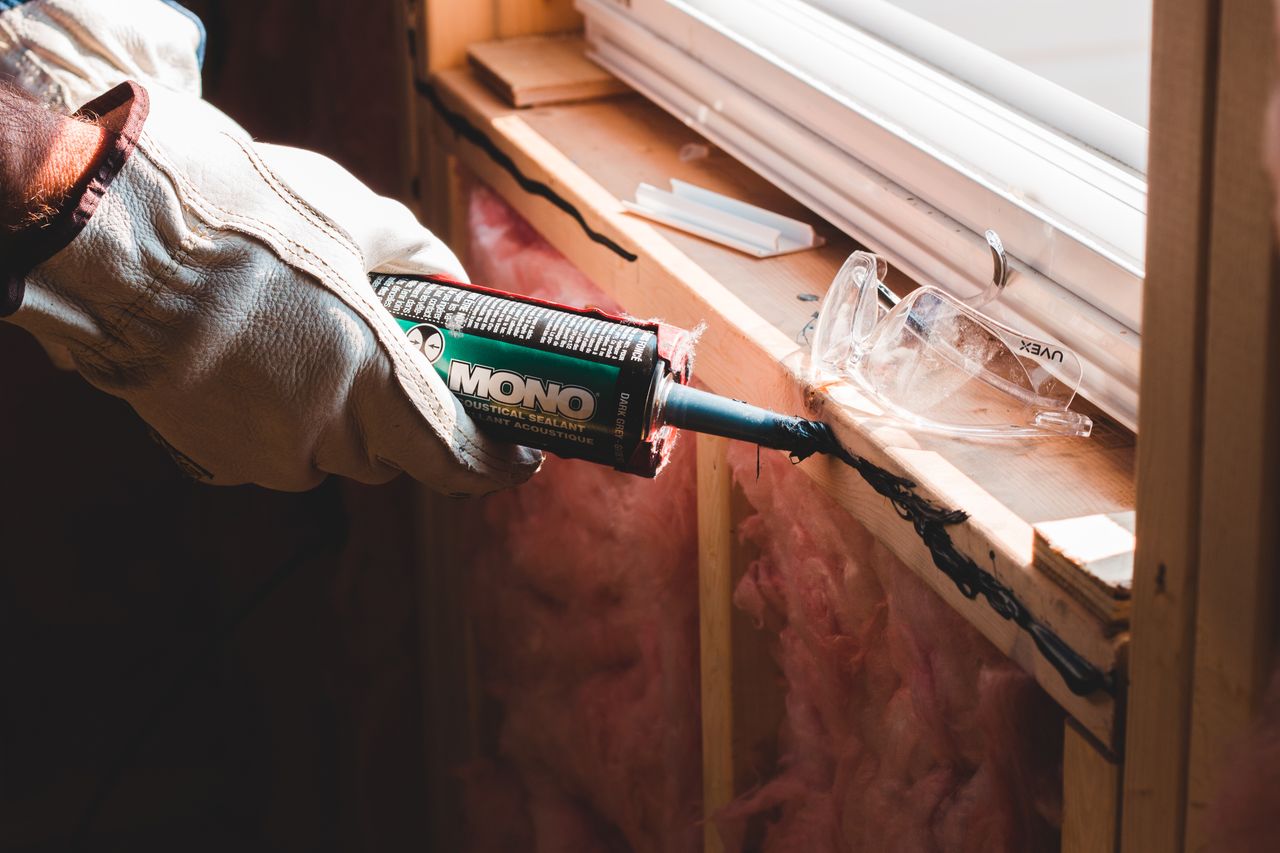
Inspect accessible areas around windows, doors, attic spaces, and other openings for drafts. Weatherstripping and caulking can help close small gaps, while adequate insulation supports more consistent indoor temperatures.
If rooms remain unusually cold despite normal heating operation, insulation, air leakage, ductwork, or equipment performance may need to be evaluated.
Test Safety Devices
Check smoke and carbon monoxide detectors before heating equipment and fireplaces see increased use. Replace batteries when necessary and follow manufacturer guidance regarding detector replacement.
How Should You Protect Your Home During Winter?
Winter maintenance focuses on preventing damage from freezing temperatures, heavy heating demand, moisture, and severe weather. Some winter preparations must be completed before temperatures fall, which is why the fall checklist is so important. Once winter begins, regular observation becomes the priority.
Homeowners should pay attention to changes in heating performance, plumbing behavior, indoor humidity, and signs of water intrusion. Problems that seem minor during mild weather can become urgent when temperatures are low and systems are operating continuously.
Protect Pipes From Freezing
Pipes located in unheated areas are particularly vulnerable during freezing weather. Insulating exposed pipes can provide additional protection, especially in areas such as garages, crawl spaces, basements, and other colder sections of a property.
During periods of extreme cold, homeowners should follow appropriate local guidance for protecting vulnerable plumbing. If a pipe freezes, avoid unsafe attempts to thaw it and seek professional assistance when necessary.
Monitor Heating Performance
A heating system that suddenly begins making unusual sounds, cycling repeatedly, producing inadequate heat, or creating unusual odors should be investigated.
Keep vents and returns unobstructed by furniture, curtains, boxes, or other household items. Restricted airflow can affect system performance and indoor comfort.
Watch for Ice and Water Problems
Snow, ice, and winter precipitation can create drainage challenges. Keep an eye on gutters, downspouts, exterior drains, and areas around the foundation.
Water entering basements, ceilings, or walls should not be ignored. Moisture problems can lead to damage that becomes more difficult and expensive to address over time.
Maintain Safe Indoor Conditions
Winter often means homes remain closed for extended periods, which makes ventilation and indoor air quality important. Follow recommended maintenance schedules for heating equipment and replace filters as appropriate.
If using fireplaces, wood-burning equipment, or fuel-burning appliances, follow manufacturer instructions and applicable safety recommendations. Carbon monoxide detectors should remain operational.
Which Maintenance Tasks Should You Complete Every Month?
Seasonal inspections provide structure, but some tasks benefit from more frequent attention. Monthly maintenance does not have to be complicated. A short inspection can help homeowners notice changes before they become significant.
The exact schedule depends on the property, equipment, climate, and manufacturer’s recommendations, but homeowners can routinely check several basic areas.
Monthly Maintenance Checklist
- Check HVAC filters: Inspect filters and replace or clean them according to the manufacturer’s instructions and household conditions.
- Look for plumbing leaks: Examine visible pipes, faucets, toilets, and connections for dripping water or moisture.
- Inspect unusual sounds: Pay attention to new noises from heating, cooling, plumbing, or water-heating equipment.
- Review utility bills: Significant unexplained changes can sometimes indicate an efficiency or equipment problem.
- Check smoke and carbon monoxide detectors: Confirm that they are functioning and follow their testing and replacement guidance.
- Inspect visible exterior areas: Look for new cracks, damaged seals, standing water, or other changes.
- Check drains: Slow drainage can be an early indication of developing blockages.
- Review the maintenance calendar: Confirm that upcoming inspections, servicing, and seasonal tasks have not been overlooked.
These quick checks can become part of a regular household routine. They are not substitutes for professional inspections where those are required, but they can help homeowners identify issues sooner.
How Can You Keep Maintenance Costs Under Control?
Maintenance expenses are easier to manage when they are anticipated rather than treated as unexpected emergencies. A homeowner who waits until equipment fails may have fewer choices about timing, repairs, or replacement. Planning ahead provides more time to compare estimates and determine whether a repair or replacement is appropriate.
A maintenance budget should account for both routine servicing and larger expenses. Heating and cooling systems, roofing, plumbing, water heaters, and electrical components can eventually require significant investment even when they have been properly maintained.
Create a Maintenance Fund
Set aside an amount regularly for home maintenance and repairs. The appropriate amount depends on the property, age of the systems, local conditions, and household finances.
Keeping this money separate from everyday spending can make it easier to handle necessary repairs without disrupting other expenses.
Keep Service Records
Maintain records of:
- Professional inspections
- Repairs and replacement parts
- Equipment installation dates
- Warranty information
- Major upgrades
- Filter changes
- Recurring problems
- Contractor contact information
These records can help identify patterns. For example, repeated repairs on an aging system may indicate that replacement deserves consideration.
Compare Repair and Replacement Options
When a major system develops a problem, avoid making decisions based solely on the immediate repair price. Consider the equipment’s age, repair history, efficiency, availability of replacement parts, and expected future costs.
A qualified professional can help explain the available options and identify factors homeowners should consider before committing to a major replacement.
What Home Maintenance Tasks Can Help Preserve Property Value?
Regular care is not only about avoiding emergency repairs. A well-maintained property can also remain more functional, comfortable, and attractive over time. Buyers may pay attention to the condition of major systems, drainage, roofing, plumbing, heating, cooling, and visible maintenance records when evaluating a property.
Consistent care can also reduce the likelihood that multiple neglected issues will need to be addressed at the same time. This can make future renovation or improvement projects easier to plan.
Focus on High-Impact Areas
Prioritize systems that affect safety, water management, structural integrity, and everyday comfort. These can include:
- Roofing and drainage
- Heating and cooling
- Plumbing and water heaters
- Electrical systems
- Insulation and ventilation
- Foundation and basement moisture control
- Windows and exterior doors
Homeowners should also avoid treating cosmetic improvements as a substitute for necessary repairs. A fresh coat of paint cannot compensate for a leaking roof, damaged plumbing, or failing mechanical equipment.
Keep Documentation Organized
A documented maintenance history can demonstrate that major systems have received regular attention. Keep invoices, inspection reports, warranties, and equipment information together in a location that is easy to access.
This documentation can also make future maintenance easier because you can quickly determine what work has already been completed.
How Can You Turn This Checklist Into a Simple Yearly Routine?
A long maintenance list can seem overwhelming if every task is viewed as an immediate responsibility. Dividing the work throughout the year makes it much easier to manage. The goal is not to complete everything in one weekend but to establish a repeatable routine that matches the needs of the property.
Start by identifying the systems that require professional service and schedule those appointments before their busiest seasons. Then add simple homeowner checks around those appointments. For example, spring can focus on recovering from winter and preparing cooling equipment, while fall can concentrate on heating and weather preparation.
A simple annual structure could look like this:
| Season | Key Priorities |
|---|---|
| Spring | Roof inspection, gutter cleaning, plumbing checks, cooling preparation, drainage inspection |
| Summer | Air conditioning performance, exterior maintenance, windows and doors, storm drainage, outdoor plumbing |
| Fall | Heating inspection, HVAC preparation, gutters, insulation, weather sealing, safety detectors |
| Winter | Heating performance, frozen-pipe prevention, moisture monitoring, drainage, indoor safety |
The schedule can then be customized according to the property’s age, climate, equipment, and previous repair history.
The most important part is consistency. Preventive home maintenance works best when homeowners treat inspections and routine servicing as ongoing responsibilities rather than tasks that only happen after something breaks.
Final Thoughts
A yearly home maintenance checklist provides a practical framework for protecting a property throughout changing seasons. Instead of waiting for a furnace to fail, a pipe to leak, or a drainage problem to become severe, homeowners can use seasonal inspections and routine checks to identify potential concerns earlier.
Spring is an opportunity to assess winter damage and prepare cooling equipment. Summer focuses on air conditioning, exterior conditions, and drainage. Fall prepares heating systems and the home itself for colder weather, while winter emphasizes protecting plumbing, monitoring heating performance, and preventing weather-related damage.
A successful maintenance routine does not require completing every task at once. Break larger responsibilities into seasonal and monthly checklists, maintain records, schedule professional inspections when appropriate, and set aside funds for future repairs.
With a consistent approach, homeowners can better protect major systems, manage maintenance expenses, preserve comfort, and keep their property in good working condition throughout the year.