
How Homeowners Are Rethinking Whole House Upkeep This Year
Owning a home used to mean reacting to problems as they popped up, but more homeowners are shifting toward a proactive, whole-house mindset this year. Rising repair costs and longer waits for contractors have made it clear that small issues left unchecked can snowball into expensive emergencies. Instead of treating each system in isolation, people are mapping out their entire property, from the roof to the plumbing to the yard, and building a maintenance rhythm around it. This article walks through the key systems worth paying attention to and how to think about caring for them before they become urgent.
Evaluating Aging Windows for Energy Loss
Windows are one of the first places homeowners notice discomfort, whether it is a draft in winter or a room that overheats in summer. Older single-pane or poorly sealed windows can account for a significant portion of a home’s energy loss, with the Department of Energy estimating that heat gain and loss through windows is responsible for 25 to 30 percent of residential heating and cooling energy use. That inefficiency shows up directly on utility bills, often adding hundreds of dollars a year in wasted energy costs. A few telltale signs point to a window’s declining performance: visible condensation between panes, a frame that feels cold to the touch, warm or cool air noticeably leaking around the edges, or a window that no longer opens and closes smoothly. Homeowners can also do a simple check by holding a lit candle or a piece of tissue near the frame on a windy day to spot air movement. Many homeowners are now getting ahead of the problem by scheduling an inspection before the temperature swings get extreme, rather than waiting until a pane cracks or a frame rots. During these inspections, professionals typically check seal integrity, weatherstripping condition, and frame material for warping or rot, since wood, vinyl, and aluminum frames each age differently. For windows that are still structurally sound but underperforming, targeted fixes like re-caulking, new weatherstripping, or adding storm windows can extend their life for a fraction of the cost of full replacement. When replacement is the better option, low-E coatings and double- or triple-pane glass offer a meaningful upgrade in insulation value, often paying for themselves over time through lower energy bills.
Before calling anyone, it helps to know the warning signs worth acting on: visible condensation between panes, drafts you can feel with a hand near the frame, wood that’s soft or discolored, or windows that won’t stay open on their own. Any one of these suggests the seal or frame has failed beyond a simple caulk-and-weatherstrip fix. At that point, patching becomes a short-term fix for a problem that keeps costing money every winter and summer. When the damage or inefficiency is significant, bringing in a window replacement contractor is often more cost-effective long term than continuing to patch old frames. A qualified contractor can assess whether double or triple-pane glass makes sense for your climate and recommend frame materials that hold up to local weather. Vinyl frames tend to offer the best value in most regions, while fiberglass and wood-clad options cost more upfront but often last longer and resist warping. It’s also worth asking about the whole assembly, not just the glass. Low-E coatings, gas fills like argon or krypton, and the quality of the spacer between panes all affect real-world performance, sometimes more than the pane count alone. A contractor should be able to explain the window’s U-factor and Solar Heat Gain Coefficient in plain terms and how those numbers apply to your specific exposure. Getting a few quotes and asking about warranty terms helps homeowners compare value rather than just upfront price. Look closely at what’s covered — glass seals, frame defects, and labor often carry different warranty lengths, and some manufacturers void coverage if installation isn’t done by a certified installer. A slightly higher quote that includes a stronger labor warranty can save far more than it costs if a window fails a few years down the road.
Protecting Outdoor Spaces from Pest Infestations

Outdoor living has become a bigger priority for many households, but bugs can quickly undo the enjoyment of a backyard. Standing water, overgrown vegetation, and shaded areas near decks or patios are prime breeding grounds for mosquitoes and other pests. Homeowners who want to actually use their yards in the warmer months are treating pest control as part of routine upkeep rather than an afterthought.
Professional mosquito removal services typically combine larvicide treatments with barrier sprays that target resting adults on foliage and structures. This approach tends to be more effective than store-bought foggers, which offer only temporary relief. Scheduling treatments on a seasonal cycle, rather than only after a barbecue gets ruined, keeps populations from rebounding quickly.
- Remove or empty standing water sources like flowerpots, gutters, and birdbaths weekly
- Trim back dense shrubs and tall grass where mosquitoes rest during the day
- Consider a professional treatment plan timed to your region’s peak season
- Check window and door screens for tears that let insects inside
Inspecting Flat Roofs Before Seasonal Weather Hits
Flat and low-slope roofs, common on additions, garages, and some modern homes, require a different inspection approach than traditional sloped roofs. Because water doesn’t run off quickly, these surfaces are especially vulnerable to ponding water, membrane cracks, blistering, and clogged drains or scuppers, and the resulting leaks are not always visible from the ground. A membrane that looks intact from a distance can hide seams that have started to separate or flashing that has pulled away around vents and chimneys. Experts generally recommend checking flat roofs at least twice a year, with an additional inspection after any major storm. Standing water that remains for more than 48 hours after rainfall is a red flag, since prolonged ponding accelerates membrane breakdown and adds significant weight to the roof structure. Drains and scuppers should also be cleared of leaves, granules, and debris so water has a clear path off the roof rather than pooling in low spots. Homeowners are increasingly scheduling inspections before the rainy or snowy season starts, rather than after water has already made its way inside. This shift is partly financial: catching a small membrane crack or a failing seal costs far less than repairing water-damaged insulation, ceilings, or framing after a leak goes unnoticed for weeks. Many are also pairing these seasonal checks with professional inspections every few years, since a trained eye can spot early signs of wear that are easy to miss from an untrained perspective.
A flat roofing contractor can identify small membrane separations, seam splits, or flashing issues long before they become active leaks. During a typical inspection, they’ll check vulnerable points like roof edges, HVAC penetrations, and drain outlets, since these areas tend to fail first. Many contractors recommend a pre-season inspection twice a year, once in spring and again in early fall, to catch problems before extreme temperatures make them worse. Because flat roofs rely on proper drainage rather than gravity alone, even minor debris buildup like leaves, dirt, or granule shedding can cause water to pool and accelerate wear. Standing water that lingers for more than 48 hours puts extra stress on the membrane and can lead to premature aging or even structural sagging over time. Clearing drains and scuppers regularly is a simple step that prevents most of these drainage-related problems. Catching these issues early is almost always cheaper than dealing with interior water damage later. A small patch repair might cost a few hundred dollars, while a full membrane replacement due to prolonged neglect can run into the thousands. Factoring in potential damage to insulation, drywall, and personal belongings, the case for routine inspections becomes even stronger.
Scheduling AC Tune-Ups Before Peak Summer Demand
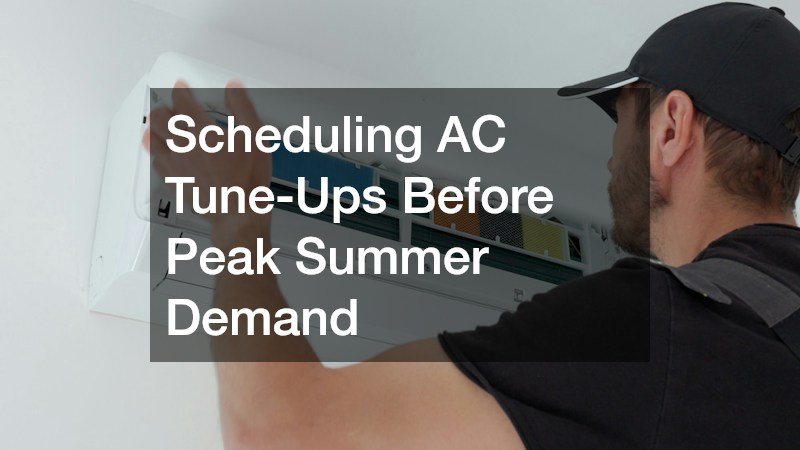
Cooling systems tend to fail at the worst possible time, usually during the first serious heat wave of the year when every technician in town is booked solid. This has pushed many homeowners to schedule maintenance in early spring instead of waiting for a breakdown. Refrigerant levels, filter condition, and electrical connections are all things a technician can check well before the system is under real stress.
Investing in routine AC services extends the lifespan of the unit and often catches small issues, like a failing capacitor, before they cause a full system shutdown. Homeowners who keep a maintenance log also have an easier time diagnosing recurring problems or deciding when replacement makes more financial sense than repair. A well-maintained system also tends to run more efficiently, which shows up as lower energy bills during the hottest months.
- Replace or clean air filters monthly during heavy use season
- Keep outdoor condenser units clear of leaves, grass clippings, and debris
- Have refrigerant levels checked annually to avoid strain on the compressor
- Schedule tune-ups in spring before demand spikes in summer
Addressing Garage Door Wear and Tear Early
The garage door is one of the largest moving parts of a home, and it takes on a surprising amount of daily stress from opening and closing cycles. Springs, in particular, are under constant tension and tend to fail without much warning. A door that suddenly feels heavy or uneven when opening is often a sign that a spring is close to breaking.
Attempting a garage door spring repair without the right tools is genuinely dangerous, since these springs are wound under high tension and can cause serious injury if mishandled. Most homeowners are better served calling a professional who can safely replace both springs at the same time, since they tend to wear at a similar rate. Keeping an eye on the door’s balance and listening for grinding noises can help catch problems before a full failure strands a car inside or outside the garage.
Building Outdoor Living Spaces That Last

As more families invest in their backyards, decks have become a focal point for entertaining and relaxation. But not all decks are built to handle the same load, weather exposure, or long-term maintenance needs. Homeowners planning a new structure are spending more time researching materials and design before breaking ground, rather than choosing the cheapest option available.
Working with custom deck builders allows homeowners to match the structure to their specific yard, climate, and how they actually plan to use the space, whether that is hosting large gatherings or just having a quiet spot for morning coffee. Composite materials have grown in popularity because they resist rot and require less upkeep than traditional wood, though they typically cost more upfront. Getting a clear maintenance plan at the time of construction saves a lot of guesswork later.
- Ask about load-bearing capacity if you plan to add a hot tub or heavy furniture
- Compare wood, composite, and PVC decking for durability versus cost
- Request a maintenance schedule specific to the materials chosen
- Confirm permit requirements before construction begins
Understanding When to Repair or Replace Heating Systems
Heating systems often get less attention than cooling systems, largely because problems tend to surface during the coldest, most inconvenient stretches of the year. Furnaces and heat pumps generally last between fifteen and twenty years, but performance can start declining well before that. Rising energy bills or uneven heating between rooms are often early signs that a system is struggling.
An experienced HVAC Company can run diagnostics to determine whether a repair will genuinely extend the system’s life or whether replacement is the smarter financial move. Many homeowners are also using these visits to ask about upgrading to smart thermostats or zoned systems that improve comfort while lowering monthly costs. Getting a second opinion before committing to a major replacement is a reasonable step, especially for older homes with unique ductwork layouts.
Preventing Plumbing Backups Before They Start
Slow drains are easy to ignore until the day water simply will not go down at all. Hair, grease, soap residue, and mineral buildup accumulate gradually inside pipes, narrowing the space available for water to flow. Homeowners are learning to treat slow drainage as an early warning sign rather than a minor inconvenience to live with.
Professional clogged drain cleaning uses tools like motorized augers or hydro jetting to clear buildup that household chemical cleaners simply cannot reach. Chemical drain cleaners can actually damage older pipes over repeated use, which makes mechanical cleaning a safer long-term choice in many cases. Addressing a sluggish drain early often prevents a more disruptive and expensive backup later, particularly in older homes with original plumbing.
Maintaining Septic Systems on a Realistic Schedule
Homes on septic systems require a different maintenance rhythm than those connected to municipal sewer lines, and it is easy to lose track of when service is actually due. Tanks that go too long between services can back up into the home or leach field, leading to repairs far more expensive than routine maintenance. Household size, tank capacity, and water usage all affect how often service is genuinely needed.
Most professionals recommend septic pumping every three to five years, though homes with larger families or older systems may need it more frequently. Watching for warning signs like slow drains throughout the house, gurgling pipes, or unusually lush patches of grass over the leach field can help homeowners catch problems between scheduled services. Keeping records of past service dates also makes it easier to plan ahead rather than guessing.
- Have the tank inspected at the same time it is pumped to check for cracks or damage
- Avoid planting trees or shrubs near the leach field, since roots can damage pipes
- Keep a written log of pumping dates and any repairs performed
- Watch water usage during heavy laundry days, since excess water can overload the system
Knowing When Your Roof Needs a Full Inspection

Sloped roofs face their own set of challenges, from wind-lifted shingles to granule loss that signals aging materials. Many homeowners only think about their roof after a storm, but regular inspections can catch minor damage before it turns into a leak. Attic condition is also worth checking, since poor ventilation or insulation can shorten a roof’s lifespan regardless of the materials used.
Reputable Roofing Contractors typically offer free or low-cost inspections, which makes it easier to get a professional opinion before committing to repairs or a full replacement. Homeowners should ask for photos of any damage found, along with a clear explanation of what is cosmetic versus structural. A roof inspection every year or two, along with one after any major storm, is a reasonable standard for most homes.
Whole-house upkeep does not have to mean tackling everything at once or living in a constant state of repair mode. By building a simple seasonal checklist and addressing small warning signs early, homeowners can avoid the stress and expense of emergency fixes. The best next step is to walk through your own property this week, note anything that seems overdue for attention, and start reaching out to trusted local professionals for the systems that need a closer look.