The Ultimate Homeowners Guide to Year-Round HVAC Efficiency and Seasonal Maintenance
Maintaining a comfortable, energy-efficient home requires a proactive approach to heating, ventilation, and air conditioning management. Your home’s mechanical systems operate continuously throughout the year, adjusting to extreme summer heat waves and freezing winter storms. Without consistent seasonal care, system performance degrades, utility bills surge, and critical components fail prematurely, leaving your household exposed to uncomfortable and potentially unsafe indoor temperatures.
Achieving year-round efficiency requires looking beyond basic air filter replacements. True mechanical stewardship combines seasonal preventative maintenance, smart system programming, timely component repairs, and strategic equipment upgrades. Understanding how your heating and cooling equipment functions allows you to address minor mechanical issues before they evolve into costly emergencies.
This comprehensive guide delivers a practical roadmap for managing your home’s climate control systems. By following these structured maintenance routines, verifying technician credentials, and planning for long-term mechanical upgrades, you can maintain peak indoor comfort while protecting your financial reserves.
Spring Inspection Routines and Pre-Summer System Audits
As winter fades and ambient temperatures rise, transitioning your home climate systems from heating to cooling mode requires careful preparation. Running an air conditioning system that has sat idle for months without prior inspection can force dirty components to overwork, causing electrical overloads or compressor strain. Conducting a thorough spring inspection ensures your cooling equipment is clean, fully charged, and ready for peak summer demands.
Partnering with an established HVAC company to perform a pre-summer tune-up guarantees that delicate internal components are audited by trained professionals. Certified technicians test system operating pressures, clean electrical contacts, calibrate thermostats, and verify that moving parts are properly lubricated to reduce mechanical friction.
Checking refrigerant charge levels and inspecting blower fan assemblies prevents unexpected summer cooling drops. During a spring audit, technicians execute these essential maintenance checks:
- Clear all leaves, grass clippings, dirt, and organic debris from around the outdoor condenser unit to ensure unrestricted airflow across the coils.
- Wash the outdoor condenser coils using low-pressure water to remove built-up grime and improve heat dissipation efficiency.
- Flush interior condensate drain lines with a vinegar or algaecide solution to prevent algae blockages and indoor water overflow.
- Inspect electrical wiring, relays, and capacitors for signs of heat wear, pitting, or loose terminal connections.
Maximizing Summer Cooling Performance and Managing Emergency Breakdowns
Peak summer conditions put immense strain on residential cooling equipment. When outdoor temperatures spike, air conditioners run for extended cycles to maintain indoor setpoints. Implementing daily energy-saving habits—such as closing window blinds during peak sunlight hours and using ceiling fans to create a wind-chill effect—helps reduce overall cooling loads on your equipment.
When cooling systems fail during a heat wave, identifying the root cause quickly minimizes discomfort. Scheduling prompt ac repair when you notice warning signs—such as lukewarm airflow, squealing belt noises, or rapid cycling—prevents minor electrical or mechanical glitches from burning out the main compressor motor.
Maintaining clean evaporator coils inside the air handler is critical for maintaining proper cooling cycles and indoor air quality. Implement these daily habits to keep your cooling system running smoothly through mid-summer heat:
- Replace high-efficiency pleated air filters every 30 to 60 days during heavy usage periods to maintain proper static airflow pressures.
- Keep all interior supply vents and return grilles open and unobstructed by furniture, rugs, or drapes to prevent coil freezing.
- Program smart thermostats to raise indoor temperatures by a few degrees when the home is unoccupied during work hours.
- Monitor indoor humidity levels, keeping baseline moisture below 50 percent to prevent mold growth and maintain crisp indoor air.
Autumn Furnace Tuning and Heating System Preparation
Before winter weather arrives, homeowners must shift focus to furnace and heating safety. Heating equipment relies on fuel combustion or heavy electrical resistance to generate heat, making pre-season safety checks essential for protecting your home against fire hazards and carbon monoxide leaks.
Scheduling comprehensive Heating service in early autumn ensures that burners, heat exchangers, ignition controls, and safety switches are thoroughly inspected and cleaned. Technicians test fuel pressure, inspect flue pipes for proper drafting, and verify that safety shut-off mechanisms operate correctly under load.
Boilers and hydronic heating systems require specialized attention to plumbing connections and pressure expansion tanks. Coordinating with skilled local plumbers allows homeowners to flush boiler lines, bleed trapped air from baseboard radiators, and inspect zone control valves to ensure balanced heat distribution across every room.
Prepare your furnace or boiler for cold weather using this autumn maintenance checklist:
- Test all carbon monoxide detectors and smoke alarms throughout the home, replacing backup batteries and expiring sensor units.
- Vacuum clean the furnace burner assembly and ignition area to eliminate dust accumulation that can hinder proper gas combustion.
- Inspect the heat exchanger visually for hairline cracks, rust scaling, or corrosion that could allow combustion gases into living spaces.
- Seal leaky basement ductwork joints using foil-faced tape or mastic sealant to prevent heated air from escaping into unconditioned spaces.
Managing Alternative Heating Infrastructure and Heat Pump Performance
Modern homes increasingly rely on heat pumps for year-round heating and cooling. Unlike traditional gas furnaces that create heat through fuel combustion, heat pumps transfer heat energy between indoor and outdoor air using refrigeration cycles, making them highly efficient down to freezing temperatures.
When heat pumps struggle to maintain indoor setpoints during extreme cold, specialized diagnostic troubleshooting is required. Arranging for timely heat pump repair resolves issues like stuck reversing valves, leaking refrigerant lines, or failed defrost control boards before auxiliary heating elements drain your energy budget.
Keeping outdoor heat pump units clear of snow accumulation and ice build-up is vital for winter operation. Maintain your heat pump’s heating efficiency by following these seasonal guidelines:
- Clear snowdrifts, falling ice, and leaves from around and on top of the outdoor heat pump cabinet to maintain adequate air intake.
- Monitor the automatic defrost cycle during freezing weather to ensure the outdoor coil melts frost without icing over completely.
- Avoid setting manual thermostat overrides that trigger expensive auxiliary emergency heat strips unless primary heating fails.
- Clean indoor ductless mini-split filter screens monthly to prevent restricted airflow across wall-mounted air handler coils.
Capital Upgrades, System Replacements, and Sourcing Trade Specialists
Even meticulously maintained mechanical equipment eventually reaches the end of its useful operating life. Most residential heating and cooling units last between 12 and 15 years. As systems age, efficiency drops, replacement parts become scarce, and repair costs begin to exceed the value of the equipment.
When planning a full system replacement, hiring a credentialed HVAC contractor ensures that your new equipment is accurately sized using detailed heat-loss calculations rather than outdated rule-of-thumb estimates. Oversized units cycle on and off too quickly, failing to dehumidify the air, while undersized units run constantly without reaching desired temperatures.
Evaluating proposals from multiple established air conditioning companies helps homeowners compare equipment efficiency ratings, equipment warranties, and installation practices. Consider these factors when evaluating equipment upgrade options:
- Compare Seasonal Energy Efficiency Ratio 2 (SEER2) and Heating Seasonal Performance Factor 2 (HSPF2) ratings to estimate future energy savings.
- Verify that contractor quotes include full replacement of outdoor pad mounts, electrical disconnect boxes, and copper line sets.
- Review manufacturer warranty terms, prioritizing brands that offer 10-year parts and compressor protection upon timely registration.
- Check whether local utility providers offer cash rebates or incentives for installing high-efficiency heat pumps or smart thermostats.
Executing Seamless Mechanical Installations and Infrastructure Upgrades

The physical installation of a new heating and cooling system plays a huge role in its long-term performance and reliability. Even the highest-rated equipment will underperform, break down frequently, and waste energy if installed on leaky ductwork or connected to undersized electrical circuits.
Supervising a seamless hvac installation requires ensuring that technicians execute proper line evacuation, electrical connections, and static pressure balancing. Quality installers use vacuum pumps to pull deep vacuums on line sets, removing moisture and air before charging the system with fresh refrigerant.
Verify that your mechanical installation meets professional standards by completing these project sign-off steps:
- Confirm that the installation crew conducts a complete static duct pressure test to verify proper airflow delivery across all supply trunks.
- Inspect newly sealed plenum connections, checking that mastic sealant or heavy foil tape has been applied to all major air joints.
- Verify that the outdoor unit sits level on a pad elevated above local snow lines and fitted with vibration-isolation pads.
- Review digital thermostat programming and smart app integrations with the installation lead before final project payment.
Enterprise Risk Management, Property Insurance, and Contractor Credentials
Home mechanical equipment involves high-voltage electricity, pressurized refrigerants, and natural gas lines, making risk management a critical consideration. Major equipment failures—such as a ruptured boiler line, an electrical fire, or a backed-up condensate drain—can cause extensive structural property damage if not properly insured.
Consulting with a trusted local insurance agency allows homeowners to review policy coverage limits, equipment breakdown riders, and water damage endorsements. Insurance specialists help determine whether your current homeowner policy covers sudden mechanical failure or if specialized equipment coverage is recommended.
Protecting your household when hiring trade technicians requires confirming that contractors carry full liability and workers’ compensation coverage. Reputable firms invest in their staff by providing a comprehensive business health insurance plan, attracting skilled, safety-conscious technicians who execute high-quality work on your home.
Mitigate liability risks during major home mechanical projects by taking these precautionary steps:
- Request active certificates of insurance directly from contractor brokers before allowing technicians to begin work on your property.
- Verify that all required municipal building and mechanical permits are secured prior to starting major equipment replacements.
- Install water-leak detection sensors beneath indoor air handlers, water heaters, and boilers to trigger automatic shut-offs during leaks.
- Keep detailed digital records of all installation permits, equipment invoices, and maintenance logs in a dedicated home record folder.
Optimizing Indoor Air Quality and Whole-House Filtration Integration
Achieving a truly efficient and comfortable home environment extends beyond simple temperature control. Indoor air quality directly impacts respiratory health, sleep patterns, and overall household well-being, particularly as modern energy-efficient homes become tighter and less naturally ventilated. Trapped allergens, dust mites, pet dander, and volatile organic compounds can concentrate inside living spaces if air management systems lack adequate filtration.
Integrating whole-home air purification and ventilation hardware directly into your central air handler provides comprehensive protection for both your family and your mechanical equipment. High-efficiency MERV-rated media filters capture fine microscopic particles before they reach delicate blower motors and evaporator coils, preventing insulating dust layers from forming on internal surfaces and degrading thermal heat transfer.
Enhance your indoor environment and protect system longevity by implementing these advanced air quality measures:
- Upgrade standard one-inch fiberglass furnace filters to high-capacity four-inch media filters to increase particle capture without restricting static airflow.
- Install ultraviolet germicidal lamp systems within supply plenums to neutralize mold spores, bacteria, and viral pathogens on evaporator coil surfaces.
- Integrate whole-home bypass humidifiers or dedicated dehumidifiers to maintain relative indoor humidity consistently between 30 and 50 percent year-round.
- Schedule professional air duct cleaning and video camera line inspections every three to five years to remove accumulated construction dust and debris.
Smart Thermostats, Home Automation, and Load-Balancing Strategies
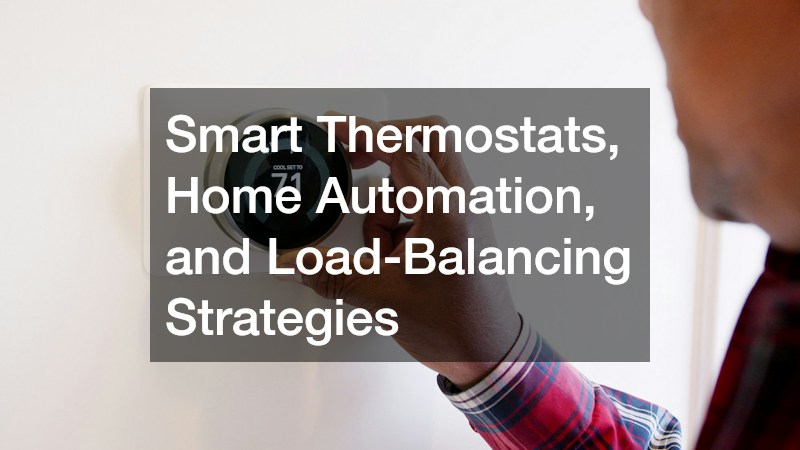
In an era of rising energy tariffs and fluctuating utility costs, leveraging smart home technology is one of the most effective ways to minimize operational overhead without sacrificing indoor comfort. Modern smart thermostats do far more than follow basic daily timers; they utilize machine learning algorithms, geofencing capabilities, and real-time local weather tracking to optimize climate control adjustments dynamically.
Connecting your heating and cooling equipment to intelligent home automation platforms enables precise multi-zone control across different levels and rooms. Instead of conditioning an entire house uniformly, motorized duct dampers can direct conditioned air exclusively to active living zones during the day and sleeping quarters at night, drastically reducing unnecessary compressor load.
Maximize energy savings and system control using these advanced smart automation practices:
- Configure smartphone geofencing features to drop setpoints automatically when all family members leave a designated home boundary radius.
- Participate in local utility demand-response programs that offer financial rebates for allowing minor automated thermostat adjustments during peak power grid spikes.
- Monitor real-time energy usage reports through thermostat software to identify abnormal system runtimes that signal emerging mechanical issues.
- Pair smart temperature sensors in remote bedrooms or basements with central controllers to eliminate hot and cold spots across multi-story layouts.
Building a Repeatable Year-Round Home Efficiency Strategy
Maintaining an efficient, reliable home heating and cooling system is an ongoing responsibility that pays significant dividends in comfort, safety, and reduced utility expenses. By establishing structured spring and autumn maintenance routines, addressing minor mechanical repairs promptly, and partnering with verified trade specialists, you protect your mechanical investments from premature failure.
Proactive mechanical care eliminates the stress of unexpected mid-summer cooling outages or freezing winter heating failures. Combining routine filter changes, outdoor unit cleaning, and annual professional tune-ups with modern thermostat programming maximizes system performance while keeping operational costs manageable.
Taking time to vet contractors, verify insurance protections, and plan for long-term equipment replacements ensures your home remains a safe sanctuary across every season. Use the actionable strategies outlined in this guide to build a sustainable home maintenance routine that keeps your climate control systems running efficiently for years to come.