Common Issues That Can Arise With Heating and Air Conditioning
The systems that control the heating and air conditioning in our homes are essential for maintaining comfort throughout the year. However, like any complex system, they can encounter several issues that may disrupt their functionality. In this article, we will explore some of the most common problems and provide insight into identifying and addressing them.
From understanding why certain components fail to recognizing why systems might produce unfamiliar sounds, our aim is to equip you with knowledge to tackle these challenges. Regular maintenance and understanding of potential issues can drastically improve the lifespan and efficiency of your HVAC systems.
1. Why is My Heating or Air Conditioning System Not Blowing Air?
A common cause of concern for homeowners is the anxiety experienced when their heating and air conditioning system isn’t blowing air. One of the initial signs to look out for is whether the thermostat is set correctly. If it isn’t, it might not trigger the system to start blowing air, giving a false indication that there’s an underlying problem. Secondly, a clogged air filter can imped airflow, causing the system to exert more effort without effective output. Regularly checking and replacing the air filter can often solve this problem swiftly.
Another frequent issue could be caused by a malfunctioning fan or blower motor which is central to the system’s ability to circulate air. When these components face operational challenges, it often results in little to no air movement. Fan and motor systems wear out over time and may need either repair or replacement. Listening for odd noises or vibrations may give clues about impending failures. Timely intervention can prevent further damage and ensure that air circulates as expected.
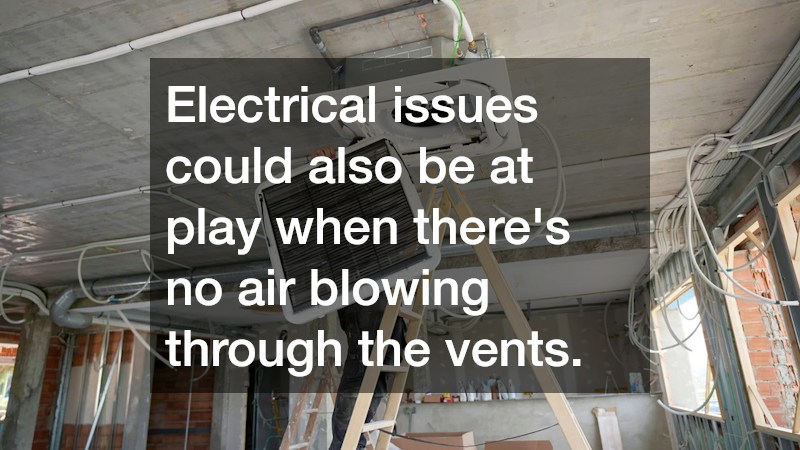
Electrical issues could also be at play when there’s no air blowing through the vents. Wires may become loose, corroded, or damaged, resulting in connection problems and inhibiting the functionality of the blowers. Using a professional for complex electrical checks ensures that issues are detected accurately without resulting in dangerous DIY mistakes. With proper attention, one can ensure that the system returns to optimal functionality, blowing air as required.
1.1 Malfunctioning Fans or Blower Motor Issues
If your system is not blowing air, the concern might lie with the fans or blower motor. Blower motors serve the purpose of pushing the heated or cooled air throughout your home’s duct system. Should this component falter, it’s imperative to check for overheating symptoms, which can be a common sign of motor stress or failure. Identifying issues early through routine inspection can help mitigate major repairs down the line. Consistently monitoring motor performance is essential in maintaining effective and efficient heating and air conditioning.
Fan maintenance is equally critical since these components can wear down and become inefficient. Accumulated dust and grime can serve as barriers, hampering smooth operation and causing noise. It’s advisable to clean fans regularly and ensure that they’re free from obstructions such as debris. Listening for signs of wear and tear like whining and grinding noises can hint at part replacements. Ensuring fan and motor longevity is a step towards reducing unexpected breakdowns.
Lastly, ensuring that you maintain a clean environment around these components aids in extending their lifespan. Dust filters, when integrated with regular cleaning routines, serve to trap particles before they reach critical parts. Ventilation systems also play a crucial role; thus, keeping them unobstructed and in good condition is vital. Owners should remain proactive by scheduling regular maintenance checks to forestall sudden, costly repairs. This strategic approach ensures that fans and blower motors continue to function optimally.
2. What Causes Uneven Heating or Cooling in Different Rooms?
It can be exasperating to find that some rooms are warmer or colder than others. Various factors contribute to this uneven heating and cooling, starting with the system’s capacity. If an HVAC system is not appropriately sized for the property, it may struggle to sustain even climate control across all areas. This challenge often necessitates reevaluating and possibly upgrading the system. Individual room sizes and locations also play crucial roles in how temperature distributions manifest.
The presence of broken or absent seals around doors and windows can lead to air leakage, impacting the consistent climate control that heating and air conditioning strive to achieve. As cooler air escapes or warm air enters, certain sections of a home may become overly temperate compared to others. Addressing these issues by sealing gaps and using energy-efficient windows helps in maintaining uniform room temperatures. Utilizing energy audits can provide insight into potential loss points effectively.
Additionally, blocked or improperly installed ductwork can cause significant heating and cooling discrepancies. If ducts have leaks or blockages, conditioned air might not reach certain areas adequately. Properly installed and well-maintained ductwork ensures balanced air distribution, enhancing overall system efficiency. Regular check-ups and repairs allow homeowners to correct any ductwork issues before they exacerbate comfort problems. Therefore, attention to the structural integrity of duct systems is an essential consideration for HVAC effectiveness.
2.1 Ductwork Problems and Airflow Restriction
Ductwork issues can significantly impact the distribution of air. They act as conduits for transporting conditioned air throughout the home, and any malfunction severely affects how air reaches each space. Blockages from dust build-up or debris can impede flow, preventing rooms from achieving desired temperatures. Cleaning and inspecting ductworks routinely for damages or obstructions alleviates such concerns effectively. Moreover, ensuring ducts are appropriately insulated reduces heat loss and conserves energy.
Leaks within duct systems not only waste energy but also compromise indoor air quality, introducing pollutants alongside conditioned air. Sealing duct leaks with appropriate materials curtails unnecessary energy waste and facilitates better heating and cooling distribution. Moreover, poor duct design—such as unnecessary bends—can exacerbate airflow restriction issues. Consulting professionals for an evaluation ensures that ducts are installed correctly and operate efficiently.
Furthermore, outdated duct systems might be the root cause of persistent airflow restrictions, necessitating modernization. Over time, age deteriorates materials, reducing the functional capacity of these systems. Replacing outdated ducts with modern, efficient options mitigates prevalent issues and promotes better HVAC performance overall. Staying informed about technological advancements in ductwork ensures efficient repairs and upgrades. Thus, careful attention to duct systems is vital in maintaining effective airflow across home environments.
Maintaining the functionality of heating and air conditioning systems is crucial for indoor comfort. By understanding common issues and their solutions, homeowners can extend the life of their systems and ensure they function efficiently. Regular maintenance and timely repairs can help prevent these problems from escalating, making it easier to enjoy a comfortable home environment year-round. Implementing periodic professional assessments along with diligent self-monitoring ensures system resilience. Approaches that embrace both prevention and solution systems promise consistent and reliable performance when handling the intricacies of HVAC systems.