
Why That Small Home Project Estimate Keeps Climbing Higher
You called for one simple repair, and now the estimate has tripled before anyone has even picked up a tool. This is one of the most common frustrations in home improvement, and it rarely means you are being scammed. Most of the time, it means a contractor found something underneath the surface that changes the scope of the job entirely. Understanding why these numbers grow can help you budget smarter, ask better questions, and avoid sticker shock the next time a quote lands in your inbox.

Hidden Soil and Drainage Problems Under Concrete Work
When a concrete slab, walkway, or driveway needs replacing, the visible crack is rarely the whole story. Contractors often discover soft, unstable, or washed-out soil underneath once the old concrete is removed, usually the result of years of poor drainage, tree root intrusion, or a downspout dumping water in the wrong spot. Pouring new concrete directly on that ground guarantees another failure within a few years, no matter how thick or well-reinforced the new pour is.
To fix this properly, many crews now recommend flowable fill, a self-leveling, low-strength concrete mixture that flows into voids and compacts naturally without heavy equipment. Unlike traditional compacted gravel, it eliminates air pockets around pipes, utility lines, and irregular excavation edges, which makes it especially useful in tight urban lots or older properties with buried infrastructure nobody has a map for. Depending on the depth of the problem area, this step alone can add several hundred to a couple thousand dollars to a project that looked simple on paper.
Homeowners should also expect the contractor to address the drainage issue itself, not just the soil beneath the slab. That might mean regrading the yard, adding a French drain, or extending a downspout further from the foundation before any new concrete is poured. Skipping that root-cause work is why some driveways and patios crack again within two or three years, even after a full replacement. It costs more upfront than simply patching the surface, but it prevents the same crack from reappearing next season, and it’s the kind of cost that’s genuinely hard to predict until the old concrete is already torn out.
This is one of the biggest reasons a small patch job turns into a full excavation project. What looks like a simple crack or sunken slab from the surface often points to a much bigger problem underneath: eroded soil, poor compaction, or water pooling beneath the concrete instead of draining away from it. Contractors won’t know the true extent of the damage until they break through the surface, and by then, the scope of work has already changed. The added labor, material, and equipment time to correct a compromised base can easily double the original estimate.
Fixing it properly might mean bringing in fill material, regrading the area for better runoff, or installing a drainage system before any new concrete can be poured. Each of those steps adds its own cost for equipment rental, disposal of the old material, and additional crew hours that weren’t part of the initial quote. Homeowners who understand this ahead of time are far less likely to feel blindsided when the number changes.
Asking a contractor upfront whether they plan to inspect the sub-base or soil conditions before finalizing a quote can help set realistic expectations. It’s also worth budgeting a contingency of 15-20% for any concrete project, simply because so much of the real problem is invisible until the old surface comes up.
Unexpected Structural Issues Behind Outdoor Living Additions
Adding shade or covered outdoor space seems like a straightforward carpentry job until the framing gets opened up. Many homeowners request patio covers expecting a simple attachment to the existing roofline, only to learn that the fascia, ledger board, or even part of the roof structure needs reinforcement to safely support the new load. Local permitting requirements can also add engineering review costs that were not part of the initial verbal quote.
Weather exposure is another factor that inflates these projects once work begins. If the wood underneath old siding or trim has already absorbed moisture damage, that rot has to be addressed before the new structure goes up, or the whole addition is compromised within a couple of years. This is why a firm number is hard to give before the surface materials come off.
- Ledger board attachment often requires new flashing to prevent water intrusion
- Local codes may require permits and inspections not included in a rough quote
- Existing rooflines sometimes need structural bracing to support added weight
- Rotted fascia or trim boards are common discoveries once old materials are removed

Plumbing Line Damage Discovered During Renovation
Bathroom and kitchen remodels frequently uncover plumbing problems that have nothing to do with the original project scope. A contractor opening a wall or floor may find corroded pipes, or worse, a sewer lateral that has cracked, shifted, or filled with tree roots over the decades. Since this line connects the home to the municipal sewer system, ignoring it is not an option, and repairing or replacing it adds a significant and unavoidable cost to the project.
The tricky part is that sewer line problems rarely show obvious symptoms until a slab is opened or a camera inspection is run. Slow drains or occasional gurgling sounds are early warning signs that many homeowners dismiss for years. Catching this issue before a renovation begins, rather than during it, can save thousands in emergency labor and rushed material costs.
Outdated Electrical and HVAC Systems Adding Scope
Older homes often have electrical panels or ductwork that were never designed for the upgrades homeowners want to add today. A simple request to add a new outlet or run a line for an appliance can reveal that the panel is at capacity or the wiring does not meet current code. Similarly, when a home improvement project disturbs ductwork or airflow, it is common for a technician to recommend a full AC service to check refrigerant levels, filters, and system pressure before closing everything back up.
These discoveries are not upselling tactics; they are safety and performance necessities. An HVAC system that was already struggling before construction began will struggle even more once new insulation, drywall, or square footage changes airflow patterns. Addressing it during the renovation, rather than after, is almost always cheaper in the long run.
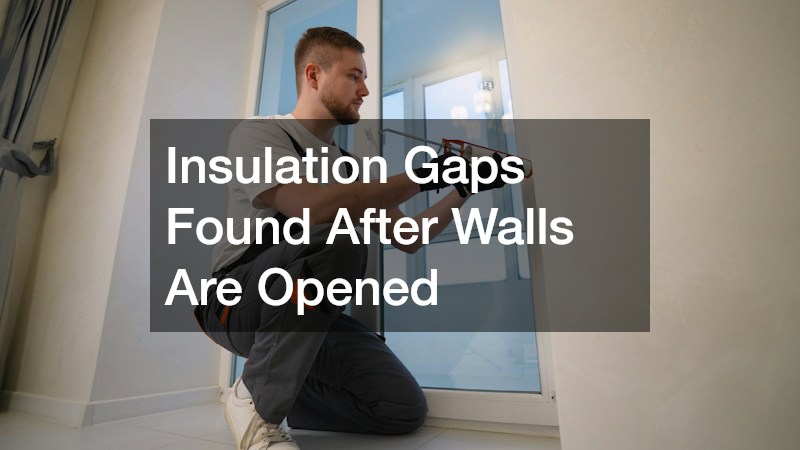
Insulation Gaps Found After Walls Are Opened
Once drywall or siding comes down for any renovation, insulation problems that were invisible for years suddenly become obvious. Gaps, settling, or moisture-damaged batting mean the home has been losing energy efficiency for longer than the owner realized. Many homeowners use this opportunity to call in spray foam insulation companies to seal the newly exposed cavities, since foam expands into small gaps that traditional batting simply cannot reach.
This upgrade adds cost to the project, but it is one of the few mid-renovation additions that pays for itself over time through lower energy bills. Sealing these gaps while the walls are already open is far more affordable than reopening finished walls later. It is worth asking your contractor directly whether this makes sense for your specific project before the walls go back up.
Water Quality Issues Uncovered During Plumbing Work
Plumbing renovations sometimes reveal mineral buildup, scale, or hard water staining inside pipes and fixtures that homeowners had simply gotten used to. This buildup shortens the lifespan of new fixtures, water heaters, and appliances being installed as part of the renovation. In these cases, contractors often suggest water softeners as an add-on, since treating the water before it reaches new plumbing protects the investment being made in the rest of the project.
This suggestion is not just a sales pitch tacked onto the invoice. Hard water left untreated will continue depositing scale on brand new fixtures the same way it did on the old ones, shortening their functional life. Factoring this into the budget upfront, rather than as a surprise, gives homeowners a clearer full picture of the project cost.
Roofing Damage Found During Unrelated Repairs
Roof problems have a way of surfacing during projects that seem completely unrelated, such as gutter replacement or attic insulation work. A contractor working in the attic may find water staining on the underside of the decking, dark trails along the rafters, or soft, spongy plywood — all signs that roof repair is needed sooner than expected. Sometimes the damage is even discovered from the outside, when a crew pulling old gutters notices curling shingles, missing flashing, or granules piled up in the downspouts. These findings rarely stay contained to the roof itself.
Since roof leaks left unaddressed can damage insulation, drywall, and even electrical systems below, homeowners often end up facing a second, larger repair bill layered on top of the original project. Mold growth is another concern, since trapped moisture in insulation or wood framing can take hold within 24 to 48 hours in the right conditions. Cost estimates for this kind of discovery vary widely depending on severity.
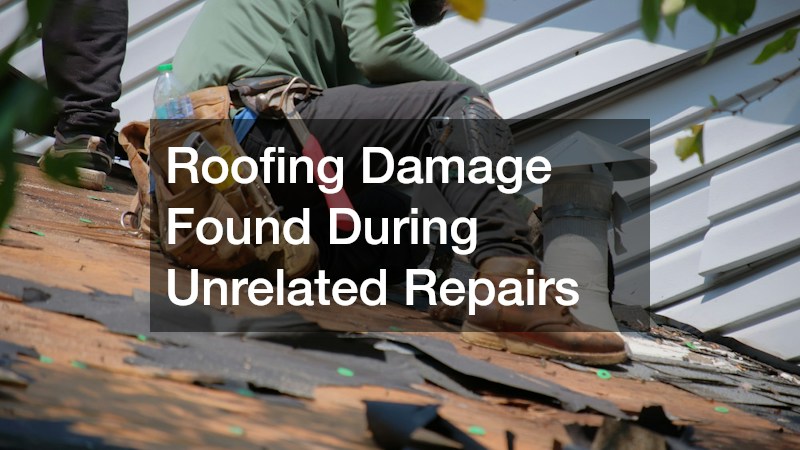
A small patch job for isolated flashing or shingle damage might run a few hundred dollars, while replacing sections of rotted decking or dealing with widespread water intrusion can climb into the thousands. Because the underlying structure is at stake, this is rarely a cost that can be postponed once discovered — delaying it usually just shifts the expense further down the road, and often makes it larger.
The estimate climb here usually comes from the domino effect of one system affecting another. What started as a gutter job becomes a roof inspection, which becomes a repair, which then requires reinspecting the attic insulation for water damage. A contractor pulling old gutters might find rotted fascia boards, cracked flashing around a vent pipe, or shingles that have been quietly letting moisture seep in for months.
Each of those discoveries carries its own price tag. Replacing a section of fascia might add $150 to $400, while flashing repairs can run another $200 to $500 depending on roof pitch and accessibility. If water has already reached the attic, insulation replacement and mold treatment can push costs up by another few hundred to a couple thousand dollars, especially if plywood decking needs to be swapped out too. What makes this particular chain reaction so common is that roofs are rarely inspected until something else forces a closer look.
Most homeowners don’t climb up to check flashing or decking annually, so small leaks go unnoticed until a gutter contractor happens to spot the telltale staining or soft spots. By the time it’s found, the damage has usually had time to spread. Homeowners who budget a small contingency fund for unrelated discoveries tend to handle these moments with far less stress.
A reasonable target is 15-20% above the original quote, set aside specifically for the “while we’re up there” findings that roofing and gutter work so often uncovers. It also helps to ask the contractor upfront whether they’ll photograph any damage they find before repairing it, so you have documentation if you need a second opinion or a future insurance claim.
Temporary Living Costs During Larger Home Disruptions
When a renovation grows larger than expected, especially one involving plumbing, flooring, or bedrooms, homeowners sometimes need a temporary place to sleep while work is completed. This is a cost that rarely gets factored into the original estimate, yet it can add up quickly during multi-week projects. Some families end up making an unplanned trip to a mattress store to buy an air mattress or temporary bedding for a guest room or basement while their main bedroom is inaccessible.
This kind of incidental cost is easy to overlook when reviewing a contractor’s quote, since it falls outside the scope of the actual construction work. It is worth asking your contractor how long the disruptive phase of the project will realistically last. Planning for a few nights of altered living arrangements ahead of time removes one more source of stress from an already stressful process.
A climbing estimate is frustrating, but it is rarely arbitrary once you understand what is happening beneath the surface of your home. Hidden soil conditions, aging pipes, outdated electrical systems, and moisture damage are common discoveries that any honest contractor has to address for the work to hold up long term. The best defense is asking detailed questions upfront, requesting a walk-through of potential hidden issues, and building a reasonable contingency into your budget before work begins. Being informed will not eliminate every surprise, but it will help you respond to one with confidence instead of panic.