A Season-By-Season Checklist for Protecting Every Part of Your Property
Owning a home means more than paying the mortgage; it means staying ahead of the seasonal wear and tear that can quietly chip away at your property’s value. From roofs and foundations to lawns and mechanical systems, every part of your home responds differently to heat, cold, rain, and snow. This checklist breaks down what to inspect, repair, and maintain throughout the year so small issues never turn into expensive emergencies. Whether you are a first-time homeowner or simply want a more organized approach to upkeep, this guide will help you protect your investment season by season.
Spring Roof and Gutter Inspections
Spring is the ideal time to assess how your roof survived winter’s freeze-thaw cycles and heavy precipitation. Melting snow and ice can loosen shingles, warp flashing, and create hidden leaks that only become obvious once spring rains arrive. Ice dams are a particular culprit, forcing water beneath shingles and into the roof deck, where it can cause rot long before you notice a stain on the ceiling.
Walking your property line and looking up at your roofline from several angles can reveal missing shingles, sagging spots, or granule buildup in gutters. Binoculars are handy here, letting you spot cracked or curling shingles without climbing a ladder. Pay close attention to flashing around chimneys, skylights, and vent pipes, since these joints are common entry points for water.

Gutters and downspouts deserve equal attention after a long winter. Clear out leaves, twigs, and granules that have accumulated, then run a hose through the system to confirm water flows freely and drains at least three to four feet away from your foundation.
Look for sagging sections, loose brackets, or separated seams, as these can cause overflow that damages siding, soffits, and landscaping. If you notice daylight through the roof boards from inside your attic, water stains, or a musty smell, it’s worth calling in a professional roofer for a closer inspection. Catching small problems in spring, before summer storms and heavy rain arrive, can save thousands in repair costs down the line.
Spring is the ideal time to walk your property and look up, since winter’s freeze-thaw cycles, wind, and heavy snow loads often leave behind damage that isn’t visible from the ground. Check for missing, cracked, or curling shingles, rusted flashing around chimneys and vents, and granules collecting in gutters, which can signal that shingles are wearing thin.
While you’re at it, inspect gutters and downspouts for sagging, loose brackets, or debris buildup that could cause water to pool against your roofline or foundation. If you notice widespread damage or your roof is flat or low-slope, it may be worth calling a TPO roofing contractor who specializes in single-ply membrane systems, since these roofs require different repair techniques than traditional shingles. TPO roofs are especially prone to seam separation, membrane shrinkage, and punctures from foot traffic or fallen branches, all of which are easy to miss during a casual inspection but can quickly worsen once warmer weather sets in. Catching small punctures or seam separations early prevents water infiltration that can damage insulation and drywall.
Left unaddressed, even a pinhole-sized breach can lead to mold growth or sagging ceilings within a matter of months. A qualified contractor can also check that seams were heat-welded correctly during the original installation, since improper welds are one of the most common causes of premature TPO failure.
- Clear gutters and downspouts of leaves, seed pods, and debris; flush with a hose to confirm free water flow
- Check for loose, sagging, or rusted gutter brackets and re-secure or replace as needed
- Check attic insulation for signs of moisture intrusion, such as dark staining, matting, or a musty odor
- Inspect roof decking and rafters near vents and chimneys for soft spots or daylight gaps
- Look for cracked, curling, or missing shingles near roof edges, valleys, and ridge lines
- Examine flashing around chimneys, skylights, and vent pipes for gaps or rust
- Confirm downspouts direct water at least five feet from the foundation, adding extensions if needed
- Check that splash blocks or drainage channels are angled to carry water away from planting beds
Spring Lawn and Garden Bed Preparation
As temperatures warm, your lawn and garden beds need attention to recover from winter dormancy and prepare for a season of growth. Raking away dead grass, aerating compacted soil, and reseeding bare patches all give your lawn a head start before summer heat arrives. Garden beds benefit from a fresh layer of mulch, which helps retain moisture, regulate soil temperature, and suppress early weed growth.
Applying mulch in spring also protects plant roots as they wake up from winter and reduces the amount of watering needed once the weather turns hot. A two to three inch layer around trees and shrubs is generally sufficient without smothering the root zone.
- Test soil pH before applying fertilizer
- Trim back winter-damaged branches
- Edge garden beds for a clean, defined look
- Refresh mulch in high-traffic or high-visibility areas

Summer Cooling System Checks
Summer puts the heaviest demand on your home’s cooling equipment, and a unit that struggles in June often fails completely by August. Scheduling a professional tune-up early in the season allows technicians to catch refrigerant leaks, worn belts, or clogged filters before a heat wave hits. Simple homeowner tasks like replacing air filters monthly and keeping outdoor condenser units free of grass clippings and debris also extend equipment life.
If you notice weak airflow, strange noises, or rooms that never quite cool down, it’s worth scheduling air conditioning repair before the problem worsens and forces an emergency call during the hottest week of the year. Addressing minor issues proactively is almost always less expensive than replacing a compressor that has failed under stress.
- Change air filters every 30 to 60 days during peak use
- Keep at least two feet of clearance around outdoor units
- Test thermostat accuracy with a separate room thermometer
- Schedule professional maintenance before the first heat wave
Summer Deck, Patio, and Outdoor Living Maintenance
Outdoor living spaces take a beating from sun exposure, foot traffic, and summer storms, making midyear inspections important for safety and longevity. Wood decks should be checked for loose boards, popped nails, and railing stability, especially if furniture or grills add extra weight. Stone or paver patios can develop shifting or settling that creates tripping hazards over time.
For larger outdoor renovation projects, such as building a new patio, retaining wall, or fire pit area, working with an experienced hardscape contractor ensures proper drainage and base preparation so the structure doesn’t heave or crack after a few seasons. Proper grading beneath pavers and stonework is often the difference between a feature that lasts decades and one that needs constant repair.
- Reseal wood decks every one to three years
- Check for gaps or shifting in paver joints
- Inspect railings and steps for stability
- Confirm patios slope away from the house for drainage
Fall Heating System and Chimney Preparation
Before the first cold snap arrives, your furnace or heat pump deserves a thorough inspection to make sure it runs safely and efficiently all winter. A professional heating service visit typically includes checking the heat exchanger, testing carbon monoxide levels, and confirming that thermostats and ductwork are functioning correctly. Waiting until the first freeze to discover a broken furnace often means longer repair wait times and higher emergency service fees.
Homeowners with fireplaces should also have chimneys swept and inspected for creosote buildup, cracks, or animal nests that accumulated over the warmer months. Skipping this step increases the risk of chimney fires, which are far more common in homes that neglect fall maintenance.
- Replace furnace filters before the heating season begins
- Test carbon monoxide and smoke detectors
- Inspect exposed ductwork for gaps or disconnections
- Schedule chimney sweeping if fireplaces are used regularly

Fall Pest and Rodent Prevention
As temperatures drop, insects and rodents actively search for warm places to nest, and your home’s foundation, attic, and garage are prime targets. Sealing small gaps around utility lines, vents, and window frames removes easy entry points before pests settle in for winter. Many homeowners find it helpful to bring in one of the local pest control companies for a fall inspection, since professionals can spot vulnerabilities that are easy to miss from ground level.
Addressing pest issues in autumn is far easier than dealing with an active infestation in the middle of winter, when trapped rodents or insects have already caused damage to insulation or wiring. A proactive fall treatment also reduces the odds of spring pest problems, since many species overwinter on or near the property.
- Seal gaps around pipes, vents, and utility entry points
- Store firewood away from the house’s exterior walls
- Trim tree branches that touch the roofline
- Check crawl spaces and attics for early signs of nesting
Fall Drainage and Grading Assessment
Fall rains reveal drainage problems that summer’s dry spells tend to hide, making this the right time to walk your property after a heavy storm. Standing water near the foundation, soggy patches in the yard, or erosion along slopes are all signs that grading or drainage systems need attention. Left unaddressed, poor drainage can lead to foundation cracks, basement flooding, and soil instability that worsens with every freeze-thaw cycle.
For more significant grading, retaining wall, or drainage pipe issues, civil contractors can evaluate the slope of your property and design solutions that redirect water safely away from structures. This is especially important for homes on sloped lots or those near municipal stormwater systems, where improper grading can create liability beyond your own yard.
- Check that soil slopes away from the foundation at a gentle grade
- Look for erosion channels forming after storms
- Clear storm drains and culverts near the property
- Note any new low spots that collect water
Winter Plumbing and Septic System Protection
Cold weather is especially hard on plumbing and wastewater systems, since freezing temperatures can crack pipes and disrupt the bacterial balance in septic systems. Insulating exposed pipes in crawl spaces, garages, and exterior walls is one of the simplest ways to prevent a costly winter burst. Homeowners on septic systems should also confirm that tanks are not due for pumping, since winter access can be difficult once the ground freezes or snow accumulates.
Properties with aerobic treatment units should schedule routine ATU service before winter sets in, as these systems rely on consistent aeration and microbial activity that can be disrupted by extreme cold. A well-maintained system is far less likely to back up or fail during the months when repairs are hardest to access. Staying ahead of septic maintenance also protects groundwater and prevents costly environmental cleanup.
- Insulate exposed pipes in unheated areas
- Disconnect and drain outdoor hoses before the first freeze
- Confirm septic tank pumping schedule is current
- Mark septic and drain field locations before snowfall hides them
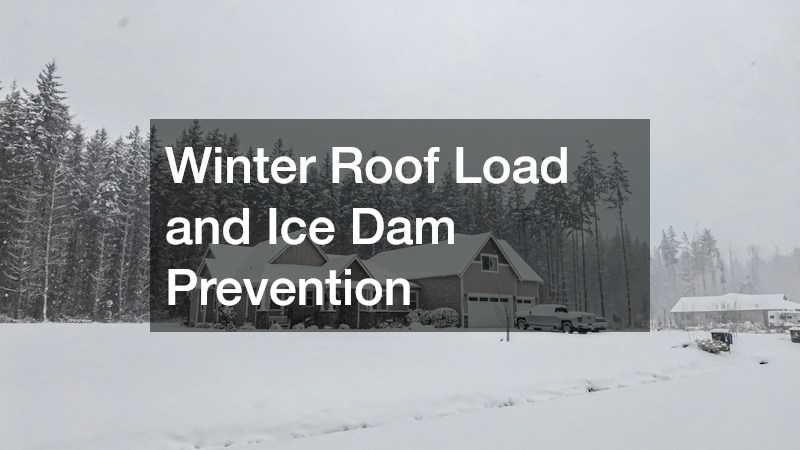
Winter Roof Load and Ice Dam Prevention
Heavy snow accumulation adds significant weight to roofing structures, and ice dams can force water backward under shingles, leading to interior leaks. Watching for icicles along the roofline is often the first visible warning sign of an ice dam forming near the gutters. Proper attic ventilation and insulation are the most effective long-term fixes, since they keep roof temperatures consistent and prevent the melt-refreeze cycle that creates dams in the first place.
If ice dams become a recurring problem, consulting with roofers about additional ventilation, heat cable installation, or insulation upgrades can prevent repeated winter damage. Addressing the root cause is generally more cost-effective than repeatedly chipping away ice or patching leaks every year.
- Watch for icicles forming along gutter lines
- Use a roof rake to remove excess snow after major storms
- Improve attic ventilation to reduce melt-refreeze cycles
- Inspect ceilings for water stains after thaw periods
Year-Round Interior Renovation Planning
While much of seasonal maintenance focuses on the exterior, indoor spaces also benefit from periodic evaluation, especially rooms exposed to constant moisture like bathrooms. Grout, caulking, and ventilation fans should be checked regularly for mold growth or water damage that can spread into subfloors and walls if ignored. Planning bathroom remodeling projects during a season when you are less focused on outdoor maintenance, such as late winter, can make the process more manageable and less disruptive.
Updating fixtures, improving ventilation, and replacing aging waterproofing materials not only protects the structure of your home but also improves indoor air quality and long-term comfort. Tackling these projects proactively, rather than waiting for visible damage, tends to save money and stress in the long run.
- Inspect caulking and grout for cracks or discoloration
- Test bathroom exhaust fans for proper airflow
- Check under sinks for slow leaks or water stains
- Plan larger renovation projects during slower maintenance seasons
Protecting your property doesn’t require a complete overhaul of your schedule, just a consistent habit of seasonal check-ins that catch small problems early. Use this checklist as a starting point, adjusting the timeline to fit your climate and the specific age and condition of your home. The more consistently you follow a seasonal routine, the fewer surprises you’ll face and the longer every system in your home will last.