
How HVAC Maintenance Improves Home Comfort
Creating a More Comfortable Home Through Preventive Care
When homeowners think about comfort, they often focus on setting the thermostat to the perfect temperature. While temperature control is certainly important, true comfort involves much more than simply heating or cooling a home. Consistent airflow, balanced humidity, clean indoor air, reliable hot water, and efficient system performance all contribute to a comfortable living environment.
Many homeowners don’t realize that comfort problems often develop gradually. Higher utility bills, uneven temperatures, excessive dust, strange noises, and poor airflow can all be signs that essential home systems are not operating at their best. Fortunately, many of these issues can be prevented through regular maintenance and timely inspections.
Preventive maintenance allows heating and cooling equipment to operate more efficiently, reduces the risk of unexpected breakdowns, and helps systems maintain consistent performance throughout the year. It can also improve indoor air quality and extend the lifespan of expensive equipment.
Whether you’re preparing for summer heat, winter cold, or simply looking to improve everyday comfort, understanding how routine maintenance affects your home’s systems can help you make informed decisions and avoid costly surprises.
Schedule Professional Inspections Before Seasonal Demand Peaks
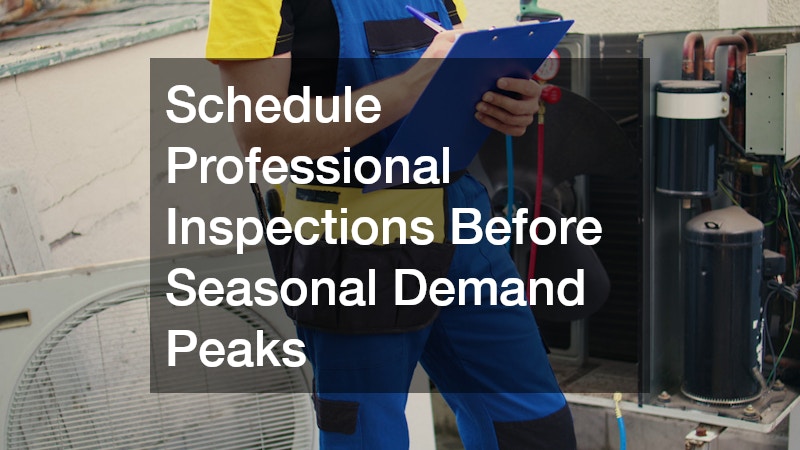
One of the most effective ways to maintain year-round comfort is to schedule professional inspections before extreme weather arrives. Waiting until the hottest day of summer or the coldest night of winter to address system issues often leads to discomfort, emergency repairs, and higher expenses.
Routine HVAC Service helps identify small problems before they become major concerns. During a maintenance appointment, technicians typically inspect electrical components, test system controls, verify airflow, clean critical parts, and check for signs of wear that could affect performance.
Seasonal inspections are particularly valuable because heating and cooling equipment experiences significant strain during periods of heavy use. A system that appears to be working properly may still have hidden issues that reduce efficiency or increase the likelihood of breakdowns.
Preventive inspections also provide homeowners with peace of mind. Rather than wondering whether the system will survive an upcoming heat wave or cold snap, homeowners can feel confident knowing their equipment has been professionally evaluated.
Most experts recommend scheduling maintenance twice per year—once in the spring before cooling season and once in the fall before heating season. This simple habit can significantly improve reliability, efficiency, and overall comfort.
Change Air Filters Before Airflow Problems Develop
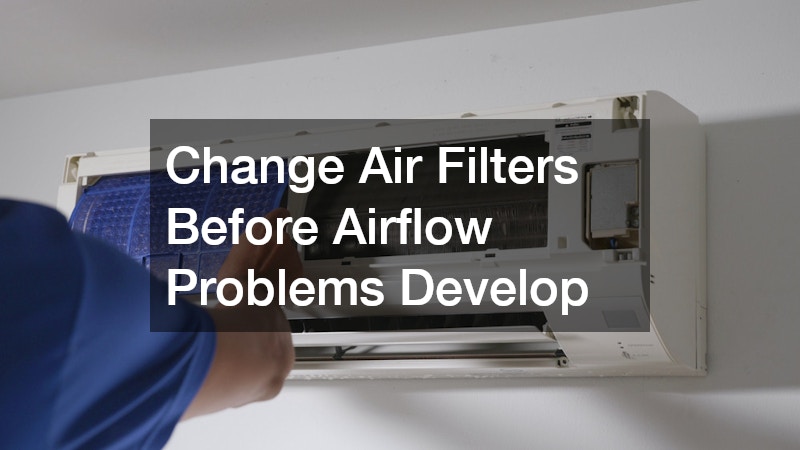
Air filters are one of the simplest yet most important components in any heating and cooling system. Unfortunately, they are also one of the most frequently neglected.
A dirty filter restricts airflow, forcing the system to work harder to move air throughout the home. This increased strain can reduce efficiency, increase utility costs, and create uneven temperatures between rooms.
Clogged filters can also contribute to indoor air quality issues. Dust, pollen, pet dander, and other airborne particles accumulate within the filter over time. Once airflow becomes restricted, these contaminants may circulate throughout the home more easily.
A reputable ac company will often advise homeowners to inspect filters monthly, especially during periods of heavy system use. Homes with pets, allergy sufferers, or multiple occupants may require more frequent filter changes.
Replacing filters regularly provides several benefits:
- Improved airflow
- Better energy efficiency
- Cleaner indoor air
- Reduced system strain
- More consistent temperatures
- Lower utility bills
Most residential filters should be replaced every one to three months, although manufacturer recommendations should always be followed.
Keep Air Moving Freely Throughout the Home
Many comfort problems are not caused by failing equipment but by restricted airflow throughout the home.
Furniture, curtains, rugs, and other household items can block vents and registers, preventing conditioned air from reaching certain rooms. Even partially blocked vents can create noticeable temperature differences throughout the house.
During a professional Heating service appointment, technicians often evaluate airflow patterns to identify areas where air distribution may be limited. Poor airflow can cause some rooms to feel excessively warm while others remain uncomfortably cool.
Homeowners can improve airflow by:
- Keeping vents unobstructed
- Cleaning dust from registers
- Leaving interior doors open when possible
- Ensuring return vents remain uncovered
- Rearranging furniture that blocks airflow
Air circulation also affects system efficiency. When conditioned air cannot move freely throughout the home, equipment must run longer to achieve desired temperatures.
A quick walk-through every few months can help identify airflow issues before they affect comfort levels.
Reduce Dust and Allergens Circulating Through Your Home
Indoor air quality plays a major role in overall comfort. Even if a home maintains ideal temperatures, excessive dust, allergens, and airborne contaminants can make the environment feel unpleasant.
Over time, ductwork can accumulate debris from daily household activities. Dust, pet hair, pollen, construction residue, and other particles may settle within ducts and circulate throughout the home whenever the system operates.
In certain situations, professional air duct cleaning can improve indoor air quality and airflow performance. Homes that have undergone renovations, experienced pest infestations, or suffered water damage may particularly benefit from a duct inspection.
Signs that ducts may need attention include:
- Excessive dust accumulation
- Persistent musty odors
- Reduced airflow
- Increased allergy symptoms
- Visible debris around vents
While not every home requires frequent duct cleaning, periodic inspections can help determine whether buildup is affecting system performance or indoor comfort.
Cleaner ducts often support healthier indoor environments and may help reduce airborne irritants that affect sensitive household members.
Address Unusual Sounds Before They Become Expensive Repairs
Heating and cooling systems typically produce some level of operational noise. However, new or unusual sounds often indicate developing problems that should not be ignored.
Banging, rattling, squealing, grinding, or hissing noises may signal worn components, loose hardware, airflow restrictions, or mechanical failures.
A qualified heating contractor can diagnose these issues before they lead to larger system failures. Catching problems early often reduces repair costs and prevents sudden breakdowns during periods of extreme weather.
Similarly, scheduling ac repair service when unusual noises first appear can prevent additional damage to motors, compressors, fans, or other critical components.
Common warning sounds include:
- Banging: loose or broken parts
- Squealing: belt or motor issues
- Clicking: electrical concerns
- Grinding: bearing wear
- Hissing: possible leaks
Homeowners should pay attention to when sounds occur and whether they worsen over time. Recording the noise can also help technicians identify the source more quickly.
Prompt attention to unusual sounds not only protects equipment but also helps maintain consistent comfort throughout the home.
Correct Temperature Imbalances Throughout the House
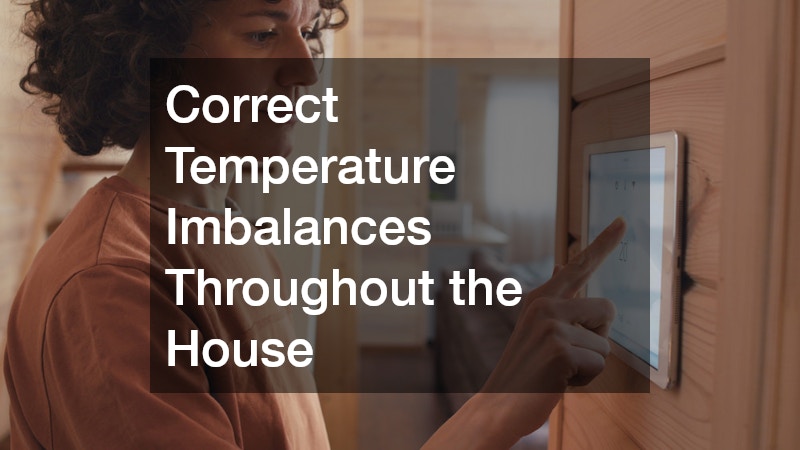
Few comfort issues are more frustrating than having one room that feels freezing while another feels unbearably warm.
Uneven temperatures can result from several factors, including inadequate airflow, duct leaks, insulation deficiencies, improperly sized equipment, or thermostat placement issues.
Before assuming major repairs are necessary, homeowners should evaluate basic factors such as:
- Closed vents
- Dirty filters
- Blocked registers
- Drafty windows
- Poor insulation
- Sun exposure differences
If these issues are not responsible, the system itself may require professional evaluation.
In some cases, older or improperly sized systems struggle to maintain balanced temperatures throughout the home. Professional ac installation may be necessary when equipment can no longer meet the household’s cooling demands effectively.
Modern systems often provide improved zoning capabilities, better airflow management, and enhanced efficiency compared to outdated equipment.
Tracking room temperatures over several days can help identify patterns that technicians can use to diagnose comfort issues more accurately.
Protect Everyday Convenience With Water Heating Maintenance
Comfort extends beyond heating and cooling. Reliable hot water is an essential part of daily life, affecting bathing, cleaning, cooking, and household chores.
When hot water becomes inconsistent, homeowners often experience frustration and inconvenience. Fortunately, many water heater issues can be addressed before complete failure occurs.
Common warning signs include:
- Fluctuating water temperatures
- Reduced hot water supply
- Rust-colored water
- Unusual noises
- Leaks near the tank
- Rising energy costs
Professional water heater repair can often resolve issues such as faulty thermostats, heating element failures, sediment buildup, or valve problems.
However, aging systems may eventually reach a point where water heater replacement becomes the more cost-effective solution. Older units typically operate less efficiently and may require increasingly frequent repairs.
Routine maintenance such as annual flushing helps remove sediment accumulation that can reduce efficiency and shorten equipment lifespan.
Addressing water heating issues early helps ensure consistent comfort and prevents unexpected disruptions to daily routines.
Prepare Fuel-Based Systems for Cold Weather Performance
Homes that rely on oil-powered heating equipment require additional seasonal preparation to ensure dependable winter operation.
Fuel-based systems often perform reliably for many years when properly maintained, but neglect can lead to efficiency losses, reduced comfort, and unexpected service interruptions.
Scheduling heating oil service before winter arrives allows technicians to inspect burners, replace filters, clean critical components, and verify proper system operation.
Important maintenance tasks may include:
- Checking fuel levels
- Inspecting fuel lines
- Testing ignition systems
- Cleaning burners
- Replacing filters
- Evaluating combustion efficiency
Preventive maintenance helps reduce the likelihood of emergency heating failures during severe weather.
Because winter demand often increases service wait times, homeowners benefit from preparing their systems well before temperatures begin to drop significantly.
A proactive approach helps ensure steady warmth and reliable performance throughout the heating season.
Use Smart Thermostat Habits to Improve Efficiency
Even the most advanced equipment can struggle to provide optimal comfort if thermostat settings are constantly adjusted.
Frequent temperature swings force systems to work harder and can reduce overall efficiency. Many homeowners mistakenly believe large temperature adjustments will heat or cool the home faster, but most systems operate at a consistent pace regardless of thermostat settings.
Smart thermostat strategies include:
- Maintaining consistent schedules
- Adjusting temperatures gradually
- Using programmable settings
- Reducing temperatures when away
- Avoiding constant manual changes
- Replacing outdated thermostats
Modern programmable and smart thermostats provide greater control over indoor comfort while reducing unnecessary system strain.
By allowing the system to operate more consistently, homeowners often experience fewer temperature fluctuations and lower energy costs.
Small thermostat adjustments can produce noticeable improvements in both comfort and efficiency over time.
Strengthen Your Home’s Ability to Retain Conditioned Air
Even a perfectly maintained heating and cooling system will struggle if conditioned air continually escapes from the home.
Air leaks force equipment to run longer and work harder to maintain desired temperatures. This not only increases energy consumption but also creates comfort inconsistencies throughout the home.
Common sources of air leakage include:
- Windows
- Exterior doors
- Attics
- Crawl spaces
- Electrical penetrations
- Plumbing openings
- Duct connections
Improving insulation and sealing air leaks helps the home retain conditioned air more effectively.
Homeowners often notice immediate benefits after addressing these issues, including:
- More stable temperatures
- Reduced drafts
- Lower utility bills
- Improved humidity control
- Less strain on equipment
A comprehensive home energy assessment can identify areas where conditioned air is being lost and provide recommendations for improvement.
Recognize When Equipment Is Nearing the End of Its Lifespan
While regular maintenance can significantly extend equipment life, no heating or cooling system lasts forever.
Eventually, even well-maintained systems become less efficient and less reliable. Understanding when equipment is nearing the end of its lifespan helps homeowners make informed decisions about repairs versus replacement.
Common indicators include:
- Frequent breakdowns
- Increasing repair costs
- Rising utility bills
- Uneven temperatures
- Excessive noise
- Poor humidity control
- Aging equipment
Keeping records of maintenance visits and repairs can provide valuable insight into long-term performance trends.
When repair costs begin approaching replacement costs, upgrading may offer greater value through improved efficiency, reliability, and comfort.
Planning ahead allows homeowners to schedule replacements on their own timeline rather than being forced into emergency decisions during equipment failures.
Building Long-Term Comfort Through Consistent Care

Home comfort is the result of many interconnected systems working together efficiently. From airflow and temperature control to indoor air quality and reliable hot water, every component contributes to the overall living experience.
Regular maintenance helps prevent breakdowns, improve efficiency, extend equipment lifespan, and create a healthier indoor environment. Small actions such as changing filters, scheduling inspections, monitoring performance, and addressing minor issues early can make a significant difference over time.
Rather than waiting for problems to disrupt daily life, homeowners who adopt a proactive maintenance strategy often enjoy greater comfort, lower operating costs, and fewer unexpected repairs. By investing in routine care throughout the year, you can create a more comfortable, efficient, and dependable home for your family in every season.