Signs Its Time to Schedule HVAC Service
A well-functioning heating and cooling system is essential for maintaining a comfortable home environment throughout the year. When the system operates efficiently, it regulates temperature, supports good indoor air quality, and helps keep energy costs under control. However, like any mechanical system, HVAC equipment experiences wear over time, and subtle issues can begin to develop long before a complete breakdown occurs. Recognizing the early warning signs can help homeowners avoid unexpected disruptions and costly repairs.
Scheduling routine HVAC service at the right time ensures that minor concerns are addressed before they escalate into more serious problems. Many homeowners overlook small changes in system performance, assuming they are temporary or insignificant.
In reality, these changes often indicate that the system is struggling and may require professional attention. By understanding what to look for, it becomes easier to determine when maintenance or inspection is needed.
Paying attention to performance, sound, airflow, and energy usage can provide valuable insight into the condition of the system. When something feels off, it often is, and taking proactive steps can make a meaningful difference in maintaining comfort and efficiency. The following sections outline key signs that indicate it may be time to schedule HVAC service and what these symptoms could mean for your system.
Unusual Noises or Odors from the System
One of the most noticeable indicators that something may be wrong with an HVAC system is the presence of unusual noises. While systems naturally produce some level of sound during operation, sudden or unfamiliar noises such as banging, rattling, squealing, or grinding often signal underlying mechanical issues. These sounds may be caused by loose components, worn bearings, or parts that are no longer functioning properly.
In addition to noises, strange odors can also indicate a problem. A musty smell may suggest mold or mildew buildup within the system or ductwork, while a burning odor could point to electrical issues or overheating components. Both situations should be taken seriously, as they may affect not only system performance but also indoor air quality and safety.
Ignoring these warning signs can allow minor issues to develop into more significant damage over time. Addressing them early through professional inspection helps ensure that the system continues to operate safely and efficiently. Technicians can identify the source of the noise or odor and recommend appropriate corrective measures before the problem worsens.
Inconsistent Temperatures Throughout the Home
Another common sign that maintenance may be needed is uneven temperature distribution within the home. If certain rooms feel significantly warmer or cooler than others, it may indicate airflow problems, duct issues, or system inefficiencies. A properly functioning system should be able to maintain consistent temperatures across all living spaces.
When airflow is restricted due to clogged filters, blocked vents, or duct obstructions, the system must work harder to circulate air effectively. This can lead to hot and cold spots, reduced comfort, and increased strain on the equipment. In some cases, the thermostat may also be malfunctioning or improperly calibrated, contributing to inconsistent performance.
A professional evaluation can help determine the root cause of these temperature variations. During HVAC service, technicians assess airflow, inspect ductwork, and verify that the system is operating correctly. Addressing these issues not only improves comfort but also enhances overall system efficiency.
Reduced Airflow or Weak Air Output
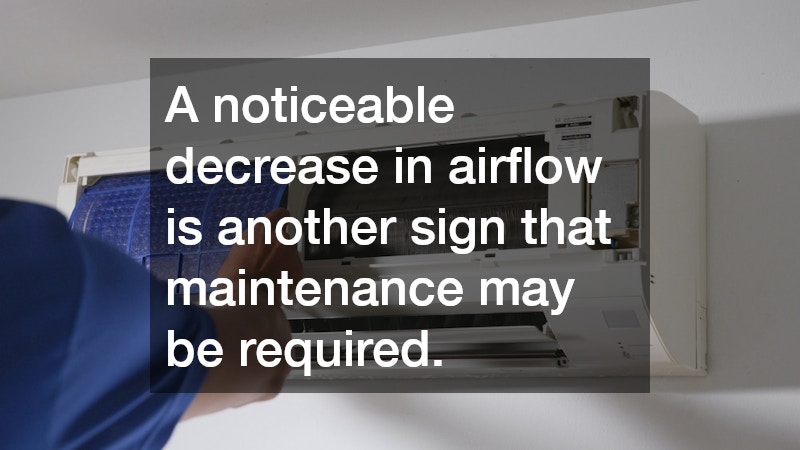
A noticeable decrease in airflow is another sign that maintenance may be required. If air coming from vents feels weak or inconsistent, it may indicate blockages, dirty filters, or issues within the blower system. Reduced airflow can limit the system’s ability to effectively heat or cool the home, leading to uneven temperatures and increased strain on components.
Blocked or dirty filters are one of the most common causes of restricted airflow. When filters become clogged, air cannot pass through the system efficiently, forcing it to work harder to circulate conditioned air. Similarly, debris buildup within ducts or mechanical issues within the blower can also impact airflow performance.
Regular inspection and cleaning help maintain proper airflow and prevent these issues from developing. Scheduling HVAC service ensures that all components are checked and maintained, allowing the system to distribute air evenly and operate efficiently throughout the home.
Recognizing the early signs of system issues is essential for maintaining a reliable and efficient heating and cooling system. Changes in noise, temperature consistency, energy usage, cycling patterns, and airflow can all indicate that the system requires attention. Addressing these symptoms promptly helps prevent minor concerns from developing into major repairs or system failures.
Routine maintenance provides an opportunity to identify and resolve potential problems before they impact comfort or performance. Scheduling HVAC service at the right time ensures that the system continues to operate efficiently, safely, and effectively throughout the year. By staying attentive to these warning signs and acting proactively, homeowners can maintain a comfortable indoor environment while protecting their investment in their heating and cooling equipment.