10 Types of HVAC Jobs and What They Do
The HVAC industry plays a crucial role in ensuring our indoor environments are comfortable and efficient. With a focus on Heating, Ventilation, and Air Conditioning, this sector is essential for regulating the climates of our homes, workplaces, and institutions. As the demand for HVAC services continues to grow, so too does the variety of specialized roles within the industry.
Choosing a career in HVAC comes with numerous possibilities, from technical roles to managerial positions. Understanding the various types of HVAC jobs is beneficial for anyone considering entering this field or simply curious about its dynamics. This article delves into 10 distinct HVAC positions, highlighting their functions and contributions to the industry.
HVAC professionals are critical to the design, installation, and maintenance of systems that control indoor environments. They ensure that heating and air conditioning systems are properly installed and maintained, contributing to energy efficiency and comfort. By exploring the many types of HVAC jobs, we gain insight into the industry’s complexity and the expertise required to excel in these roles.
1. What Does an HVAC Technician Do?
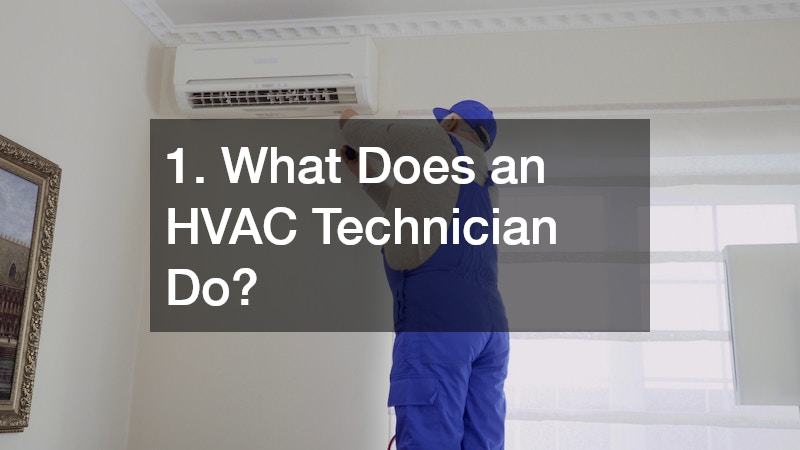
HVAC technicians are the backbone of HVAC services, responsible for installing, maintaining, and repairing heating and cooling systems. These skilled professionals troubleshoot issues to ensure systems operate efficiently, preventing costly breakdowns. They often work in diverse settings, from residential to commercial properties, offering essential services that keep systems running smoothly.
The role of an HVAC technician involves understanding complex systems that integrate various technologies. They are tasked with routine maintenance, such as cleaning units and replacing worn components, to prolong system life. Technicians are also equipped to handle emergency repairs, often being the first responders during HVAC system failures.
To stay current with the ever-evolving HVAC technology, technicians frequently update their certifications. This continuous education ensures they are knowledgeable about the latest industry standards and practices. As a result, HVAC technicians are integral to providing reliable and efficient HVAC services, maintaining indoor comfort through all seasons.
2. How Do HVAC Installers Differ from Technicians?
While HVAC technicians and installers are sometimes thought of interchangeably, they perform distinct functions within local hvac companies. HVAC installers focus primarily on the initial installation of heating and cooling systems. Their expertise is crucial during the construction phase of buildings, ensuring that systems are adequately installed from the outset.
Installers must be adept at reading blueprints and understanding the architectural design of a building to appropriately install systems. Their work often involves collaborating with construction teams to integrate HVAC systems seamlessly into new structures. HVAC installers also play a crucial role in retrofitting old systems, helping to enhance energy efficiency and system performance.
Despite their specialized role, HVAC installers must still possess a broad understanding of HVAC services. This knowledge aids them in identifying potential installation issues that could impact system efficiency. By ensuring that systems are installed correctly, HVAC installers set the foundation for system longevity and effectiveness.
3. What Are the Duties of an HVAC Engineer?
HVAC engineers are vital in the planning and design phase, bringing technical expertise to create efficient heating, ventilation, and air conditioning systems. They evaluate the heating supply needs of a building and develop systems tailored to meet these requirements while maximizing energy efficiency. Engineers leverage their knowledge of thermodynamics, fluid mechanics, and energy conversion to design innovative systems.
The role also involves problem-solving and optimization, addressing complex challenges related to system performance and sustainability. HVAC engineers work closely with designers and architects to seamlessly integrate systems within the broader building infrastructure. Their focus on optimizing efficiency without sacrificing comfort or functionality makes them key players in the HVAC sector.
In addition to technical skills, HVAC engineers must stay informed about industry regulations and standards. They ensure that systems comply with environmental and safety codes, reducing the environmental impact of HVAC operations. By advancing technological innovations, HVAC engineers contribute to the sustainable development of heating and air conditioning technologies.
4. What Do Refrigeration Technicians Specialize In?
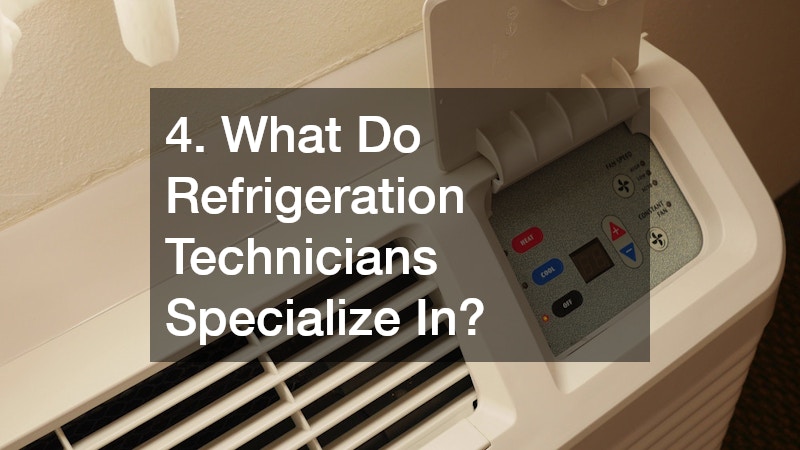
Refrigeration technicians are specialists focusing on cooling systems, such as those used in refrigerators and freezers. These systems, often found in commercial settings, require specific knowledge and skills distinct from traditional HVAC services. Air conditioning contractors often employ refrigeration technicians due to their expertise in maintaining and repairing commercial-grade cooling equipment.
These technicians ensure that cooling units operate within specified temperature ranges, crucial for preserving perishable goods. Their work involves diagnosing issues like refrigerant leaks or malfunctioning components, then performing the necessary repairs or replacements. Regular maintenance by refrigeration technicians helps prevent major system failures, safeguarding inventory and minimizing downtime.
Refrigeration technicians also play a role in system upgrades and installations. By staying current with cooling technology advancements, they introduce energy-efficient solutions to reduce operational costs. Their expertise is indispensable to industries reliant on precise temperature control, highlighting their critical place among the types of HVAC jobs.
5. How Do HVAC Designers Impact a Project?
HVAC designers are instrumental in translating engineering concepts into practical system layouts. By determining the optimal placement of units like hot water heaters and ventilation pipes, they ensure systems meet design and performance criteria. Designers collaborate closely with engineers and architects to map out HVAC installations accurately.
This role involves a keen understanding of both aesthetics and functionality, balancing the two to create unobtrusive yet effective systems. HVAC designers consider factors such as airflow, energy consumption, and ease of maintenance when planning system layouts. Their ability to harmonize all these elements is crucial to successful HVAC installations.
Effective HVAC design not only enhances building climate control but also impacts energy efficiency and sustainability. Designers leverage the latest software and tools to innovate system layouts that reduce energy usage. By doing so, HVAC designers play a pivotal role in pushing the industry towards more sustainable practices.
6. What is the Role of an HVAC Project Manager?
HVAC project managers oversee the implementation of HVAC systems in construction projects, ensuring everything runs smoothly from start to finish. These professionals coordinate various teams, manage budgets, and ensure adherence to timelines. By overseeing all aspects of HVAC installation and integration, they play a key role in project success.
Project managers must possess strong leadership skills and a thorough understanding of HVAC systems and processes. They handle logistics and work closely with subcontractors, such as those conducting AC repairs and system installations. Effective communication is essential, as project managers serve as the liaison between clients, contractors, and other stakeholders.
The ability to anticipate and resolve issues is a critical aspect of project management. Managers must ensure the project meets both quality standards and client expectations, all while staying within budget. HVAC project managers are ultimately responsible for delivering functional and efficient systems suitable for the intended applications.
7. How Do HVAC Sales Professionals Contribute?

HVAC sales professionals are the front line in connecting consumers with the right heating and air conditioning solutions. They play a crucial role in understanding customer needs and recommending products and services that fit those requirements. Sales professionals are well-versed in the features and benefits of various systems, allowing them to offer informed guidance.
Their expertise goes beyond merely selling products; it involves building relationships with clients to instill confidence and trust. HVAC sales representatives often work closely with other industry professionals to ensure customer satisfaction throughout the installation and maintenance process. This collaborative approach helps tailor solutions to meet specific client needs.
Strong communication skills are essential, as sales professionals must explain technical details in ways that are clear and accessible to homeowners or business owners. They also handle proposals, estimates, and follow-ups, ensuring that every stage of the customer journey feels supported. Knowledge of current market trends and technological advancements is imperative for success in HVAC sales. Representatives who stay informed are better equipped to offer the latest energy-efficient systems and innovations. This knowledge not only boosts sales but also enhances customer satisfaction by offering cutting-edge solutions that save money and improve comfort over the long term.
8. What Are the Challenges for HVAC Maintenance Technicians?
HVAC maintenance technicians play a key role in keeping systems operating efficiently through regular inspections and upkeep. These professionals ensure that HVAC installations function as intended, identifying wear and tear before it leads to system failure. Preventative maintenance is their primary focus, extending the lifespan of HVAC equipment.
One significant challenge faced by maintenance technicians is working within a diverse range of environments and system configurations. Each setting requires a deep understanding of the specific components and technologies involved. Their ability to swiftly identify and rectify issues is a hallmark of their expertise, preventing costly downtime.
In addition to inspections, they often clean coils, replace filters, check refrigerant levels, and lubricate moving parts to ensure optimal performance. They also maintain detailed service records that help track the condition of equipment over time, making it easier to spot recurring issues. Maintenance technicians must be adaptable and stay current with industry developments. As systems become more integrated and technologically advanced, technicians must broaden their skills and knowledge to manage new challenges effectively. Their proactive approach to maintenance is crucial to preventing unexpected breakdowns and promoting energy efficiency.
9. What Do Controls Technicians Do in HVAC?
Controls technicians specialize in installing and maintaining the control systems that regulate HVAC operations. These systems are critical in ensuring precise temperature management and energy efficiency across various environments. From residential customers to commercial facilities, controls technicians ensure that systems are responsive and adaptive to changing needs.
The role requires an in-depth understanding of complex electronic systems and the ability to program, troubleshoot, and repair controls. These technicians often handle advanced tasks such as configuring communication protocols and integrating controls with existing building automation systems. Their expertise is crucial for optimizing system performance and reducing energy usage.
Furnace installations and other major system components rely heavily on controls to function correctly. Controls technicians’ work allows for more efficient management of HVAC resources, enhancing comfort while minimizing costs. They may also test sensors, calibrate equipment, and update software to keep systems running smoothly. By blending technical expertise with problem-solving skills, controls technicians enable smart, sustainable HVAC solutions. Their ability to integrate and maintain these sophisticated systems is indispensable among the types of HVAC jobs in the industry.
10. How Important is the Role of an HVAC Safety Specialist?

HVAC safety specialists focus on ensuring the safety of HVAC installations, maintenance, and operations. They conduct heater inspections and risk assessments, identifying potential hazards and implementing safety protocols to mitigate risks. By prioritizing safety, these professionals protect both technicians and clients from accidents and injuries.
The role involves developing and enforcing safety policies and procedures in compliance with industry standards and regulations. Safety specialists often conduct training sessions to educate technicians on safe practices and proper handling of HVAC equipment. Their work is essential in building a culture of safety, promoting awareness and accountability among HVAC professionals.
Ensuring system integrity also falls under the scope of a safety specialist. By regularly inspecting equipment and facilities, they prevent failures that could lead to hazardous situations. They may also oversee the use of personal protective equipment (PPE), monitor indoor air quality, and review emergency response plans. HVAC safety specialists are crucial in maintaining operational standards, safeguarding property, and securing a safe working environment for all involved. Their expertise helps businesses reduce liability, increase efficiency, and ensure customer confidence in HVAC services.
The HVAC industry offers a diverse array of career opportunities, each contributing uniquely to ensuring effective climate control in our built environments. From technical roles, such as HVAC technicians and maintenance professionals, to strategic positions like project managers and safety specialists, each job plays an integral role in the field. The various types of HVAC jobs discussed highlight the industry’s need for a wide range of skills and expertise.
Whether dealing with heating supply needs or the intricate requirements of air conditioning contractors, these professionals ensure that systems operate with maximum efficiency and safety. Understanding these roles allows us to appreciate the value each position holds in advancing HVAC technology and services. As the industry continues to evolve, so too will the diverse career paths it offers, inviting new generations to contribute their talents.