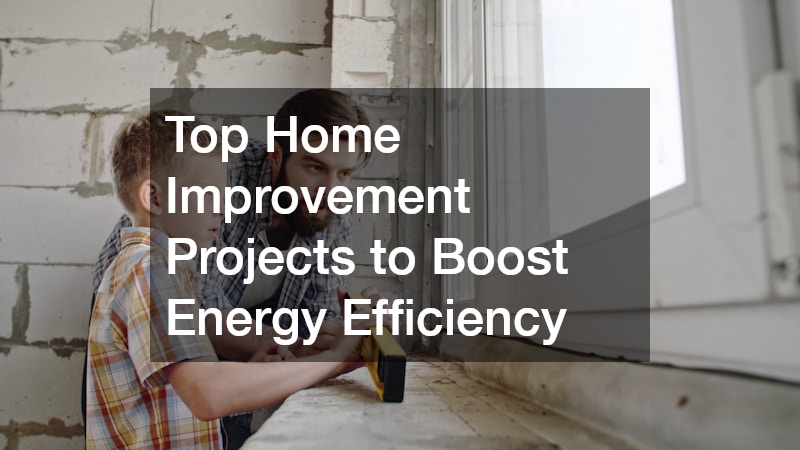
Top Home Improvement Projects to Boost Energy Efficiency
Improving a home’s energy efficiency reduces utility bills, enhances comfort, and supports long-term sustainability. Many homes lose heat through outdated insulation, drafty windows, or inefficient systems, which forces heating and cooling systems to work harder and increases energy costs. Small gaps, aging appliances, and inefficient water systems all contribute to higher energy consumption, but targeted upgrades can have a substantial impact. By addressing both visible and hidden sources of energy loss, homeowners can create a more comfortable and resilient living environment.
Energy-efficient upgrades go beyond HVAC and insulation. Replacing windows, upgrading lighting, improving water systems, and adding features like sunrooms all contribute to lower energy use. Even smaller measures, such as sealing gaps around doors, improving electrical service, or modernizing appliances, have a cumulative effect that significantly enhances overall efficiency. Coordinating multiple improvements allows these systems to work together, maximizing energy savings while also increasing the long-term value and livability of the home.
Upgrade Your Water System
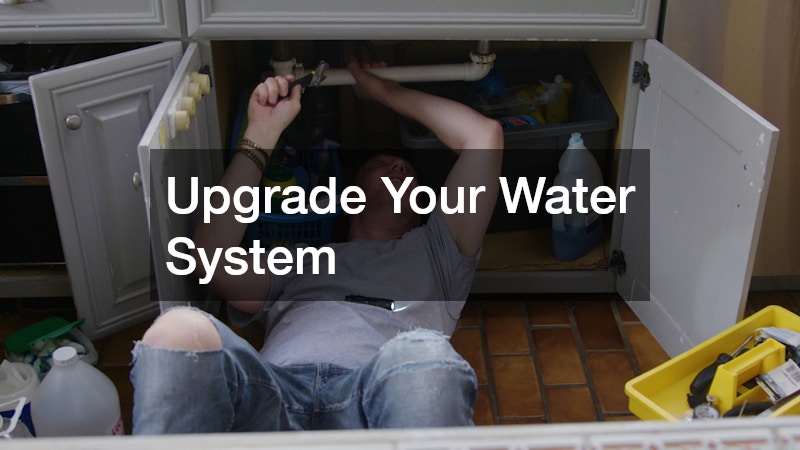
A home’s water system is often overlooked, but it significantly affects energy use. Older well pumps can consume excessive electricity while operating inefficiently, increasing utility bills and straining plumbing and HVAC systems. Upgrading to energy-efficient pumps improves water pressure consistency and reduces energy consumption. Working with well pump companies helps homeowners choose the right pumps and install them correctly, while integrating vacuum pumps into HVAC and refrigeration systems removes air and moisture via refrigerant lines, allowing systems to operate more efficiently. Together, these upgrades reduce energy use, extend equipment life, and contribute to a more comfortable, energy-efficient home.
Tips for maximizing water system efficiency:
- Conduct regular inspections of plumbing lines and pumps to detect leaks or inefficiencies.
- Replace aging well pumps with high-efficiency models to lower electricity use.
- Utilize variable-speed pumps that adjust output based on real-time demand.
- Integrate vacuum pumps into HVAC maintenance schedules to improve refrigerant performance.
- Upgrade related components such as pressure tanks and valves to optimize overall system efficiency.
Pairing water system improvements with low-flow fixtures and insulated water lines further reduces energy demand. Efficient pumps maintain consistent water pressure and temperature, reduce equipment wear, and complement other energy-saving projects. Over time, these upgrades can offset initial costs through measurable energy savings.
Protect Against Moisture
Moisture intrusion causes significant energy loss by reducing insulation effectiveness and forcing HVAC systems to work harder. Working with a waterproofing company helps address leaks and foundation issues, protecting the home and maintaining indoor air quality. Upgrading siding with energy-efficient materials also prevents drafts and temperature fluctuations, and combining these measures creates a more comfortable, energy-efficient home.
Tips for moisture control and energy savings:
- Conduct inspections of basements, crawl spaces, and exterior walls for water intrusion.
- Apply sealants or membranes where needed with guidance by a waterproofing company.
- Replace worn or damaged siding with insulated, energy-efficient options.
- Seal gaps around doors, windows, and vents to prevent drafts and moisture infiltration.
- Use dehumidifiers in high-humidity areas to maintain optimal indoor air quality.
Proactively addressing moisture issues reduces HVAC workload, prevents long-term structural damage, and maintains comfort year-round. Coordinating siding and waterproofing improvements ensures maximum energy savings while protecting the home from environmental stressors. Regular maintenance enhances the effectiveness of these upgrades over time.
Maximize Sunroom Efficiency
Sunrooms can improve a home’s energy efficiency when properly insulated and oriented, helping maintain stable indoor temperatures and reducing reliance on heating and cooling systems. Adding high-performance windows, insulating walls, floors, and ceilings, and using shades or blinds to control solar gain lowers HVAC demand while improving comfort. Properly designed sunrooms provide abundant natural light, reduce the need for artificial lighting, and create a versatile living space for relaxation, work, or entertaining guests. With thoughtful placement and energy-efficient materials, sunrooms not only enhance the home’s livability but also contribute to lower energy bills and a more sustainable household.
Strategies for energy-efficient sunrooms:
- Install double- or triple-pane windows with Low-E coatings.
- Insulate floors, walls, and ceilings to minimize thermal transfer.
- Position sunrooms to maximize natural light without causing overheating.
- Add window shades, films, or blinds to control solar heat gain.
- Integrate the sunroom with the existing HVAC system for temperature control.
When executed correctly, sunrooms add usable living space and enhance energy efficiency. They provide natural light, reduce reliance on artificial heating and cooling, and improve indoor comfort throughout the year. Sunrooms are a practical way to expand living space while supporting energy-saving initiatives.
Modernize Electrical Systems and Lighting
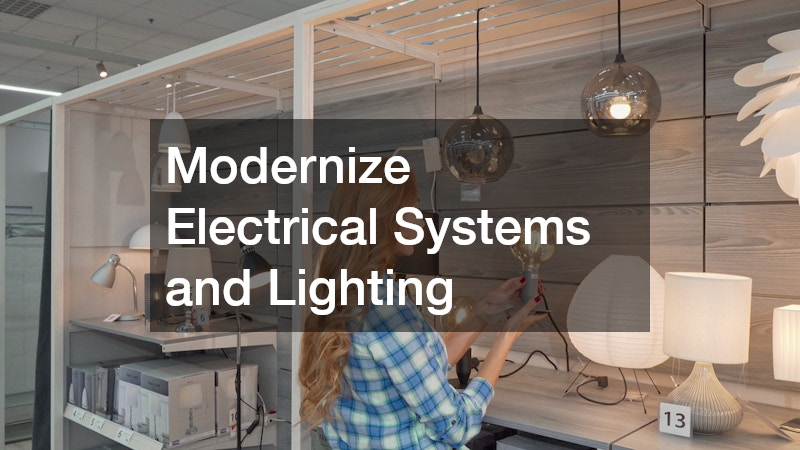
Upgrading electrical systems and lighting reduces energy use while supporting other energy-saving measures throughout the home. Proper installation not only improves safety and reliability but also enhances long-term efficiency by allowing systems to operate at peak performance. Modern electrical systems provide the capacity to handle new appliances, HVAC upgrades, and additional smart home technologies, which contribute to overall energy efficiency. Installing permanent lighting and integrating smart controls further lowers electricity consumption, adds convenience, and allows homeowners to better manage energy use in high-traffic or low-use areas.
Tips for electrical and lighting upgrades:
- Have a professional evaluate electrical panels, wiring, and circuits for safety and capacity.
- Replace outdated lighting with permanent LED fixtures throughout the home.
- Use smart controls, timers, or dimmers to prevent unnecessary energy use.
- Coordinate electrical service upgrades with HVAC and appliance improvements.
Upgrading electrical systems creates a strong foundation for energy-efficient improvements throughout the home. Updated wiring and panels support increased electrical demand caused by modern appliances and HVAC upgrades while reducing the risk of overloads or performance issues. When electrical infrastructure is brought up to current standards, the entire home operates more efficiently, safely, and reliably over the long term.
Improve Roofing and Insulation
A well-maintained roof and properly installed insulation help prevent heat loss in winter and heat gain in summer, improving comfort while lowering energy bills. Roofers can repair leaks, add insulation, and use reflective materials to reduce thermal transfer, and proper attic insulation helps maintain consistent indoor temperatures throughout the home. These upgrades not only reduce strain on HVAC systems but also protect the home’s structure from long-term weather damage, extend the lifespan of roofing materials, and contribute to overall energy efficiency.
Roofing efficiency tips:
- Repair damaged shingles and leaks promptly.
- Upgrade attic or roof insulation to the recommended R-values.
- Improve ventilation to prevent temperature extremes and moisture buildup.
- Use reflective roofing materials to limit solar heat gain.
Proper roofing and insulation create a stable indoor environment, reducing the workload of heating and cooling systems and helping maintain consistent comfort throughout the home. These improvements also prevent energy loss caused by drafts or poorly insulated areas, which can increase utility costs over time. Overall, such upgrades contribute significantly to a home’s energy efficiency, enhance long-term property value, and support the durability and performance of other home systems.
Upgrade Your Windows
Efficient window installation improves indoor comfort by reducing drafts and maintaining consistent temperatures throughout the home. They help lower heating and cooling demands, which decreases energy costs and reduces strain on HVAC systems. When combined with other energy-saving measures, such as upgraded insulation, sunrooms, and energy-efficient appliances, these windows contribute to a more efficient and comfortable home overall. By choosing high-performance windows and properly sealing frames, homeowners can maximize energy savings while enhancing both the aesthetic appeal and functionality of their living spaces.
Tips for window efficiency:
- Install double- or triple-pane windows with Low-E coatings.
- Seal gaps around frames using caulking or weather stripping.
- Use window films, blinds, or shades to regulate solar gain.
- Strategically position windows to optimize passive solar heating in winter
Efficient windows improve indoor comfort, reduce heating and cooling demands, and work in tandem with other energy-saving measures for maximum impact. Each upgrade also contributes to long-term energy savings by maintaining stable indoor temperatures.
Enhance HVAC Systems
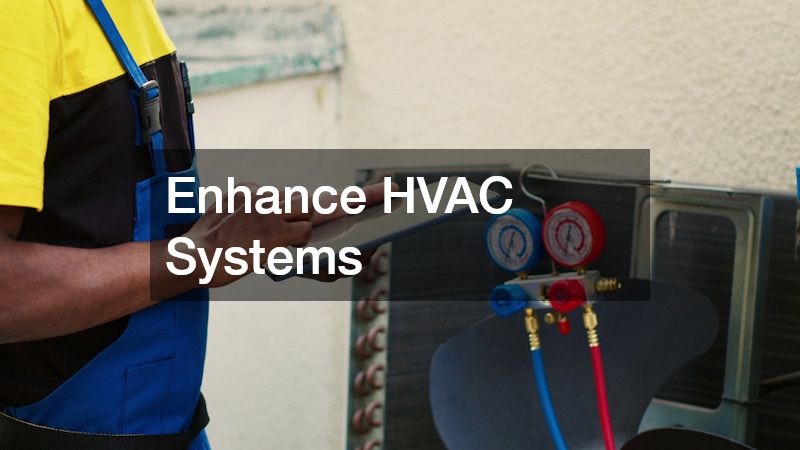
Upgrading or maintaining HVAC systems reduces energy consumption and increases reliability. Vacuum pumps help remove air and moisture through refrigerant lines, improving performance and extending equipment life. Coordinated HVAC improvements, along with insulation and window upgrades, help the home operate more efficiently and reduce monthly utility bills.
HVAC efficiency tips:
- Schedule regular maintenance, including filter changes and duct cleaning.
- Upgrade older systems to high-efficiency models.
- Integrate vacuum pumps to maintain refrigerant performance.
- Use programmable thermostats to reduce energy consumption during low-use periods.
When combined with other energy-saving projects, HVAC improvements reduce monthly utility bills, increase comfort, and support long-term home efficiency goals throughout the home. Regular system upgrades also improve reliability, extend equipment lifespan, and help prevent unexpected breakdowns that can disrupt daily life. By coordinating HVAC enhancements with insulation, window, and water system upgrades, homeowners can maximize energy efficiency, create a more comfortable indoor environment, and lower overall energy consumption.
Plan Legal and Compliance Steps
Energy-efficient renovations often require permits, adherence to building codes, and consideration of property regulations. Consulting a real estate law firm helps homeowners navigate these requirements, access available incentives, and avoid compliance issues. Proper planning and guidance make the process smoother, reduce stress, and allow projects to be completed efficiently and with confidence.
Legal and compliance tips:
- Verify local building codes and permit requirements before starting projects.
- Document improvements for insurance and resale purposes.
- Consult a real estate law firm for guidance on compliance and incentives.
- Explore available rebates and tax credits for energy-efficient upgrades.
Proper legal planning minimizes delays, prevents regulatory issues, and supports long-term benefits and added property value for the home. Consulting experts, such as a real estate law firm, helps homeowners navigate building codes, permits, and documentation requirements while maximizing available incentives. With professional guidance, energy-efficient renovations can be executed smoothly, giving homeowners confidence that their projects comply with regulations and deliver lasting value.
Upgrade Exterior Surfaces
Exterior surfaces play a major role in energy efficiency, and worn or poorly insulated siding can increase heat loss and drafts. Siding companies can upgrade or replace siding to enhance insulation, minimize drafts, and safeguard the home from environmental damage. Sealing gaps around doors, windows, and vents with durable, energy-efficient materials helps maintain consistent indoor temperatures, reduce HVAC demand, and improve long-term comfort.
Exterior upgrade tips:
- Replace damaged or outdated siding with insulated, energy-efficient options.
- Seal gaps around doors, windows, and vents.
- Use durable materials that support long-term energy efficiency.
- Coordinate siding improvements with roofing and insulation projects.
Effective exterior upgrades help create a home envelope that minimizes energy loss, protects the structure, and improves comfort year-round. Properly installed siding, sealed gaps, and durable materials prevent drafts, reduce HVAC demand, and maintain consistent indoor temperatures. Exterior maintenance also reduces long-term repair costs, supports overall energy efficiency, and enhances the home’s durability and curb appeal, making it a smart investment for both comfort and value.
Electrical Capacity Planning
A home’s electrical service plays a critical role in supporting energy-efficient upgrades, especially as households add modern appliances, HVAC systems, and smart technologies. When capacity is outdated or undersized, efficiency improvements cannot perform as intended, and systems are forced to operate under strain. Updating electrical service allows energy-saving systems to function properly, improves reliability and safety, and supports both current needs and future efficiency upgrades without overloading circuits.
Electrical capacity improvement tips:
-
Evaluate panel capacity before installing new appliances or HVAC systems
-
Upgrade outdated service panels to support modern electrical loads
-
Balance circuits to reduce strain on individual breakers
-
Coordinate electrical service upgrades with efficiency-focused renovations
-
Plan capacity upgrades to accommodate future energy-saving improvements
When electrical service is aligned with a home’s efficiency goals, every upgrade performs more effectively. Adequate capacity supports long-term energy savings, improves system reliability, and allows homeowners to expand efficiency efforts without costly retrofits later. As part of a comprehensive improvement plan, electrical service upgrades help tie all energy-saving systems together.
Boosting home energy efficiency requires addressing multiple systems and components. Upgrades to water systems, moisture protection, windows, sunrooms, lighting, and appliances all contribute to lower energy consumption while improving comfort and long-term home value. These improvements also increase the reliability and lifespan of the home’s infrastructure, reduce the environmental footprint, and create a more resilient living space. By combining major renovations with smaller efficiency measures, homeowners can achieve immediate reductions in utility costs while building lasting benefits that enhance daily living and overall quality of life.
Coordinating HVAC, roofing, siding, and appliance improvements amplifies these benefits. Working with professionals such as roofers, window installation teams, siding companies, and a real estate law firm provides expertise, proper installation, and compliance guidance. A holistic approach creates a home that is more comfortable, cost-effective, and sustainable year-round. Taking the time to plan and combine these upgrades maximizes savings and long-term performance.